Table of Contents
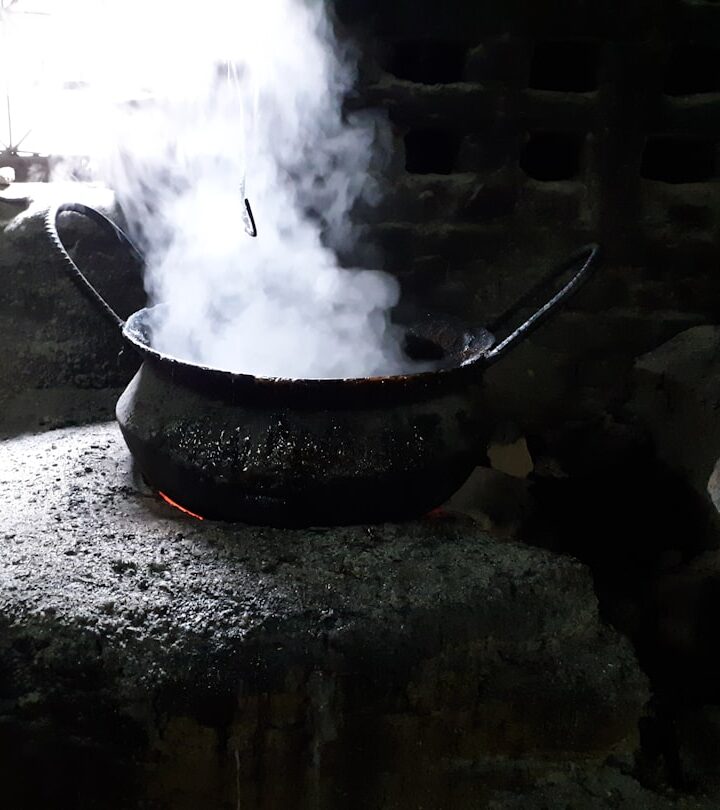
Traditional Simmering: The Classic Stock vs Broth Method
When grandmothers across continents began their kitchens, they relied on one truth: time equals flavor. Traditional simmering remains the gold standard for stock vs broth preparation, though understanding the difference matters tremendously.
Stock uses bones, cartilage, and connective tissues simmered for 12-48 hours at 160-180°F. This extended time breaks down collagen into gelatin, creating that luxurious mouthfeel that coats your palate. Broth, conversely, uses meat and bones for just 2-4 hours, prioritizing meat flavor over gelatin content.
Winner for flavor depth: Stock—hands down. The patience pays dividends when you’re crafting French demi-glace or risotto. But here’s the catch: your stovetop runs for two days, consuming energy and heat. Modern cooks increasingly question whether this sacrifice justifies the results.
Cost factor: Both use economical ingredients (bones cost pennies), but stock’s lengthy cooking multiplies utility bills. A gallon of stock might cost $2 in ingredients but $3-5 in electricity.
Pressure Cooking: Fast Stock vs Broth Production
Enter the pressure cooker—a game-changer for stock vs broth enthusiasts without six hours to spare. A quality pressure cooker achieves in 90 minutes what traditionally takes all day.
The science: High pressure (15 PSI) raises water’s boiling point to 250°F, dramatically accelerating collagen breakdown. Pressure-cooked stock develops surprising depth, though purists argue the flavor lacks refinement compared to traditional methods.
Practical advantage: Your kitchen stays cool. You reclaim your stovetop. Energy consumption drops 75% compared to simmering. For weeknight cooks managing family schedules, pressure cooking stock becomes genuinely realistic.
Trade-off: Some flavor complexity vanishes. The Maillard reaction—responsible for depth—happens more slowly under pressure. You gain time; you sacrifice marginal nuance.
Slow Cooker Showdown: Stock vs Broth Extraction
The slow cooker occupies middle ground in the stock vs broth competition: longer than pressure cooking (8-12 hours), shorter than stovetop simmering, yet friendlier than both for hands-off operation.
Set it before work, return to golden, gelled stock. The low, consistent heat (around 190°F) mimics traditional simmering without requiring vigilance. For apartment dwellers and energy-conscious cooks, slow cookers deliver surprising results.
Best use case: Overnight stock production. Toss bones in at 8 PM, wake to finished product. One slow cooker runs roughly 12 cents overnight—beating stovetop simmering spectacularly.
Limitation: Slow cookers don’t achieve traditional simmering’s rolling bubbles. Some cooks note the final product tastes slightly less concentrated, though proper straining and reduction fix this issue.
Roasting First: The Flavor Game-Changer
Whether crafting stock vs broth, roasting bones before simmering fundamentally changes the equation. This often-skipped step separates good from exceptional.
Roast bones at 425°F for 30 minutes. The Maillard reaction develops complex, savory compounds—caramelization that simmering alone cannot achieve. Combined with roasted aromatic vegetables, your stock develops restaurant-quality depth.
Why it matters: Roasted stock vs broth tastes richer, more developed, more intentional. Culinary schools teach this approach for a reason.
Time investment: Just 30 extra minutes, yet the flavor gains justify it universally. Professional chefs never skip this step.
Instant Pot Revolution
The Instant Pot—simultaneously pressure cooker, slow cooker, and steamer—introduces flexibility to the stock vs broth debate. Use the pressure setting for speed, slow-cook setting for convenience, or saute setting to roast bones first.
This all-in-one approach suits modern kitchens managing multiple demands simultaneously. You achieve pressure-cooked results with slow-cooker convenience.
For more information, see Serious Eats.
The Verdict
No single method wins universally. Traditional stovetop simmering produces the most refined stock for special occasions. Pressure cookers suit weeknight efficiency. Slow cookers work for overnight production. Roasting bones elevates any method.
Your choice depends on lifestyle priorities. Weekend cook with time? Choose traditional simmering. Busy professional? Pressure cook or Instant Pot. Energy-conscious? Slow cooker overnight.
The real victory emerges when you stop buying boxed broth and start making your own stock. Once you taste homemade stock, commercial alternatives become unthinkable. Begin today—your soups, sauces, and risottos will thank you.
Ready to elevate your cooking? Explore more technique comparisons that transform ordinary ingredients into extraordinary meals.
Explore more on Recipes – Scope Digest and browse our Recipes section.
Learn more: Serious Eats’ comprehensive stock guide provides additional depth on extraction techniques and best practices.
Photo by 🇮🇳Saif Ali on Unsplash