Meal prep batch cooking is the secret weapon busy professionals, parents, and fitness enthusiasts use to eat healthier while saving precious time during the week. Instead of cooking dinner from scratch five nights a week, you spend one focused session preparing components that mix and match into multiple meals. This strategy eliminates decision fatigue, reduces food waste, and keeps you from ordering takeout when hunger strikes at 7 PM.
Table of Contents
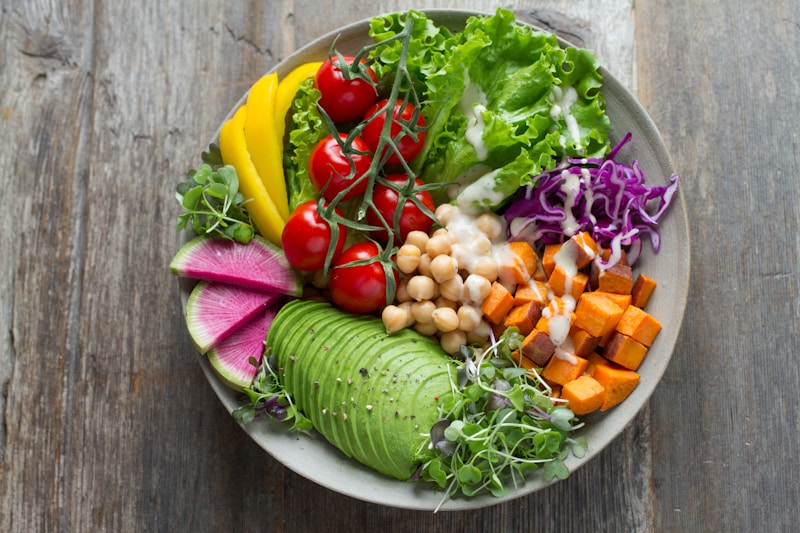
Master the Three-Component Meal Prep Method
The most efficient meal prep batch cooking approach divides your cooking into three simple components: proteins, grains or starches, and vegetables. This modular system means you’re not stuck eating the same meal every day—instead, you’re mixing and matching to create variety throughout the week.
Start by cooking 2-3 proteins in bulk. Grilled chicken breasts, ground turkey, baked salmon, and slow-cooker pulled pork are excellent choices because they hold up well in the refrigerator for 4-5 days. While proteins cook, prepare your grains: brown rice, quinoa, farro, or sweet potatoes all make solid bases. Finally, roast or steam 3-4 different vegetables. The beauty of this meal prep batch cooking strategy is that Monday’s chicken-rice-broccoli bowl becomes Wednesday’s chicken-grain-bell-pepper wrap with different seasonings.
This approach requires minimal additional cooking time but creates maximum flexibility. A person eating the same prepared components experiences less food boredom and is more likely to stick with their healthy eating goals.
Invest in Quality Meal Prep Containers for Batch Cooking Success
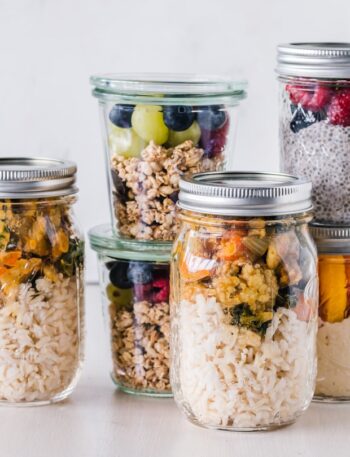
You can’t do serious meal prep batch cooking without proper storage. Glass containers with airtight lids are non-negotiable—they’re microwave-safe, dishwasher-safe, durable, and won’t absorb odors or stains like plastic does. Invest in 6-8 containers that hold 2-3 cups each, which accommodates standard portion sizes.
Compartmentalized containers work exceptionally well for meal prep batch cooking because they keep flavors separate until you’re ready to eat. Wet components (sauces, grains) don’t make crispy vegetables soggy if stored separately. Many meal preppers also use small glass jars for dressings, sauces, and dips—store these separately and add right before eating.
Label everything with masking tape and a permanent marker, noting the date and contents. Your future self will appreciate the clarity when Wednesday rolls around and you’re staring at your fridge at lunchtime.
Choose Your Batch Cooking Proteins Wisely
Successful meal prep batch cooking hinges on selecting proteins that actually taste good as leftovers. Some proteins dry out, others become rubbery, and a few actually improve over time.
Best proteins for meal prep batch cooking:
- Chicken thighs (more forgiving than breast meat, stays moist)
- Ground meats (versatile, excellent for tacos, bowls, and pasta)
- Salmon and other fatty fish (retains moisture beautifully)
- Pulled pork and slow-cooker meats (become more tender over time)
- Legumes and beans (budget-friendly, naturally shelf-stable)
- Tofu and tempeh (absorb flavors and freeze well)
Cook proteins at moderate temperatures (350-375°F) rather than high heat during batch cooking sessions. High heat creates dense, dry results. Season generously but avoid acidic components like lemon juice or vinegar until just before eating—these can dry out meat stored for multiple days.
For meal prep batch cooking, prepare enough protein to provide 4-5 ounces per serving across your planned meals. If you’re preparing five dinners plus lunches, you’re looking at 2-3 pounds of cooked protein minimum.
Strategic Seasoning and Storage Tips for Meal Prep Batch Cooking
The difference between boring meal prep batch cooking and exciting meal prep batch cooking often comes down to seasoning strategy. Rather than heavily seasoning everything during initial cooking, apply light seasoning and save flavor-building for assembly day.
Store separate components with minimal seasoning, then apply different flavor profiles when combining meals. The same grilled chicken becomes Italian with pesto and tomatoes on Monday, becomes Mexican with cilantro and lime on Wednesday, and becomes Asian-inspired with soy sauce and ginger on Friday. This requires you to keep small containers of flavor-makers on hand: various spice blends, vinegars, soy sauce, pesto, and hot sauce.
For refrigerator storage, keep meal prep batch cooking components in airtight containers and consume within 3-4 days for optimal freshness and safety. Freezing is an excellent option for batch cooking—most cooked proteins, grains, and blanched vegetables freeze beautifully for up to three months. This lets you prepare even bigger batches and use them gradually throughout the month.
Moisture management matters tremendously. Pat cooked proteins dry before storing, and store vegetables in containers with paper towels that absorb excess moisture. Soggy vegetables make nobody excited to eat their meal prep batch cooking.
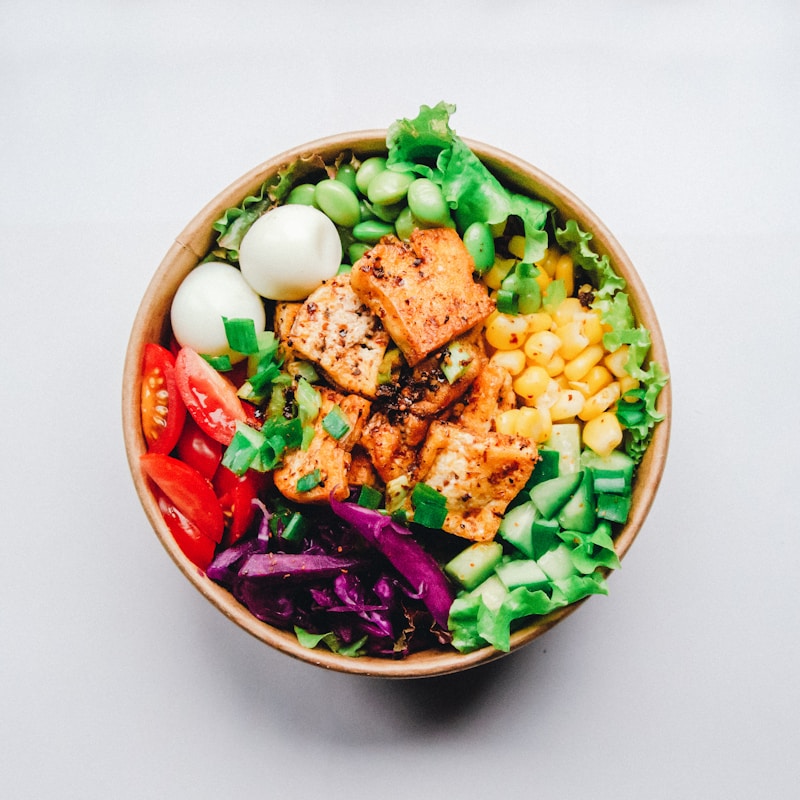
Sample Weekly Meal Prep Batch Cooking Plan
Here’s a practical meal prep batch cooking template that feeds one person five dinners and lunches:
Proteins (choose 2): 2 lbs grilled chicken thighs, 1.5 lbs ground turkey
Grains (choose 2): 3 cups cooked brown rice, 2 cups cooked quinoa
Vegetables (choose 3-4): Roasted broccoli, roasted sweet potatoes, sautéed bell peppers, steamed green beans
Flavor components to store separately: Pesto, salsa, curry sauce, balsamic vinaigrette, tahini dressing
This meal prep batch cooking approach takes roughly 2-2.5 hours total and yields 10 complete meals. The actual hands-on time is much less because multiple components cook simultaneously.
According to Serious Eats’ comprehensive meal prep guide, this component-based approach is the most sustainable for long-term adherence because it prevents meal fatigue.
Want to maximize your meal prep batch cooking efficiency? Check out our recipe collection for specific batch-cooking friendly recipes, or explore our quick meals section for ideas on using prepped components.
Explore more on Recipes – Scope Digest and browse our Meal Prep section.
The bottom line: Meal prep batch cooking isn’t about restriction or eating bland food—it’s about working smarter, not harder. By dedicating two hours once weekly to strategic cooking, you reclaim five hours throughout the week that would otherwise disappear into meal planning and cooking stress. Your wallet, your body, and your weeknight self will all thank you.
Photo by Mick Haupt on Unsplash