Healthy Granola Bars Exposed: Why Your “Natural” Snack Is Actually Candy in Disguise
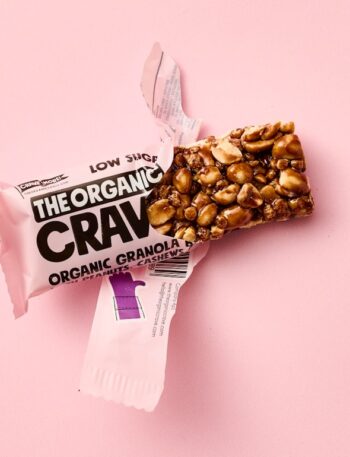
The healthy granola bars scandal is one of the food industry’s most successful marketing deceptions. Brands like Nature Valley, Quaker, and Store Brand alternatives plaster their packaging with words like “natural,” “wholesome,” and “nutritious,” while their ingredient lists tell a completely different story. What consumers think they’re grabbing for a guilt-free snack is often just another dessert bar masquerading as health food. This Food Industry Lie Monday, we’re unpacking exactly how granola bars became one of the biggest nutritional con jobs of our time.
Table of Contents
- The Granola Bars Marketing Trick That Fools Millions
- Sugar Content vs. Protein Claims: The Granola Bars Deception
- Decoding “Natural” and “Wholesome” in Granola Bars Labels
- Real Ingredient Breakdown: What’s Actually Inside Granola Bars
- Better Alternatives to Granola Bars for Real Nutrition
- The Bottom Line: Stop Falling for Granola Bars Marketing
The Granola Bars Marketing Trick That Fools Millions
Healthy granola bars have become a £2 billion industry globally, with convenience-focused consumers treating them as the perfect on-the-go breakfast or snack. The branding is genius: wholesome imagery, earthy colour schemes, and promises of “real oats” and “no artificial flavours.” But here’s the truth about granola bars that manufacturers don’t want you to know: the average bar contains 12-15 grams of sugar—roughly equivalent to a chocolate bar.
Nature Valley’s popular oats and honey bars contain 12g of sugar per 42g serving. Quaker Chewy Granola Bars have 11g. Store brands aren’t better. Yet marketers position these as healthy breakfast options, placing them in the “nutritious” aisle rather than the candy section where they belong. The granola bars lie persists because packaging regulations allow brands to make health claims without rigorous scrutiny, as long as they meet minimal nutritional thresholds.
The psychological trick is brilliant: parents see “made with real oats” and assume it’s healthier than a chocolate bar. Schools stock granola bars in vending machines as “better choices.” Gyms sell them at the counter as post-workout nutrition. But nutritionally, many granola bars have more sugar and processed ingredients than a genuine snack should contain.

Sugar Content vs. Protein Claims: The Granola Bars Deception
One of the most egregious granola bars lies is how brands inflate protein claims while burying sugar content. A typical bar might advertise “10g of protein” in large font while listing “13g of sugar” in smaller print on the back. This creates an optical illusion: consumers see protein and assume it’s a legitimate muscle-building snack, when in reality, that 13g of sugar is nearly half a child’s daily allowance in a single bar.
Worse, many granola bars use added sugars combined with high-fructose corn syrup or honey, creating a dual-sugar punch. The protein often comes from cheap whey isolates rather than whole nuts or seeds, making the bars less satiating despite their caloric density (200-250 calories per bar). A real protein bar uses whey or plant-based protein alongside minimal sweeteners. Granola bars use sweetness as the primary taste driver, with protein as window dressing.
The granola bars market has also capitalised on low-fat trends, replacing fat with extra sugar to maintain palatability. A bar claiming to be “low-fat and wholesome” often contains refined carbohydrates that spike blood sugar faster than whole grain bread. This blood sugar crash leaves consumers hungry within 90 minutes—ironic for a bar marketed as a sustained-energy snack.
Compare a typical granola bar to alternatives: a small apple with almond butter provides similar calories, more fibre, genuine whole foods, and roughly 4g of natural sugar. Yet granola bars remain positioned as the “convenient, healthier choice.”
Decoding “Natural” and “Wholesome” in Granola Bars Labels
The word “natural” on granola bars packaging is virtually meaningless in most countries. In the United States, the FDA doesn’t legally define “natural,” so brands use it liberally. High-fructose corn syrup is technically natural (derived from corn), yet its inclusion contradicts the product’s wholesome image. Emulsifiers, artificial flavours, and preservatives lurk behind “no artificial colours” claims because food regulators define “artificial” narrowly.
When granola bars claim “wholesome grains,” they typically use refined oats—stripped of bran and fibre—not whole oat groats. This processing reduces nutritional density while allowing manufacturers to legally use the word “whole grain.” Similarly, “real fruit” bars often contain fruit concentrates and fruit juice (mostly fructose), not actual fruit pieces.
The granola bars industry has also weaponised nostalgia marketing. Packaging evokes homemade baked goods, suggesting grandmother’s recipe, when the product is ultra-processed in industrial facilities. Terms like “wholesome,” “rustic,” and “crafted” create emotional connections that override nutritional scepticism.

Real Ingredient Breakdown: What’s Actually Inside Granola Bars
Let’s dissect what’s genuinely inside a popular granola bar, ingredient by ingredient. The first ingredient in most granola bars is whole grain oats—so far, legitimate. Then comes sugar or honey (sometimes listed first), immediately signalling high sugar content. Next: vegetable oil, which adds calories without nutritional benefit. Then soy lecithin (an emulsifier), honey powder (extra sugar in powder form), natural and artificial flavours (contradicting “no artificial” claims), and preservatives like BHA or BHT.
This real-world breakdown of granola bars shows that beyond the oats, it’s primarily sugar, fat, and additives designed to extend shelf life and maximise profit margins. The granola bars deception thrives because most consumers never read past the front-of-package marketing to see what’s actually listed in small print.
A genuinely healthy bar would contain: whole oats, nuts or seeds, a touch of honey or maple syrup, and perhaps dark chocolate chips. That’s it. Such bars exist—but they’re usually more expensive and lack the aggressive marketing budgets of industrial brands. Granola bars brands spend millions on advertising the health narrative while spending pennies on actual nutritious ingredients.
Better Alternatives to Granola Bars for Real Nutrition
If you need a convenient snack, skip the granola bars aisle entirely. Here are genuinely nourishing alternatives:
- Whole fruit + nuts: An apple with 15 almonds takes 30 seconds to assemble and provides fibre, healthy fats, and no added sugar.
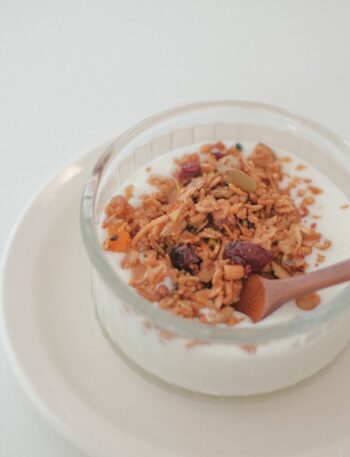
- Greek yoghurt: Individual pots contain 15-20g protein with minimal added sugar (read labels—many yoghurts are granola bars in disguise).
- Homemade energy balls: Blend dates, nuts, and cocoa powder. Roll into balls. Refrigerate. They’re cheaper, tastier, and genuinely whole-food.
- Cheese and crackers: Real cheddar with whole grain crackers provides sustained energy without blood sugar spikes.
- Hard-boiled eggs: Portable, protein-rich, and free from granola bars-style marketing nonsense.
The irony is that making your own snacks takes five minutes and costs a fraction of branded granola bars. The barrier isn’t convenience—it’s that the food industry has spent decades convincing us that processed bars are somehow superior to real food.
For more on reading nutrition labels critically, check out Serious Eats’ nutrition guides, which debunk common food industry deceptions with science-backed analysis.
The Bottom Line: Stop Falling for Granola Bars Marketing
The healthy granola bars lie persists because the food industry profits from our busy lifestyles and our desire to feel virtuous about our food choices. Brands weaponise words like “natural” and “wholesome” to bypass genuine scrutiny, while sugar content lurks in smaller text. A granola bar is not a health food—it’s a convenience product with a marketing department that exceeds its nutritional department in size and influence.
Next time you reach for a bar, ask yourself: would I give this to a child as dessert? If the answer is yes, stop pretending it’s breakfast. Your body—and your wallet—will thank you for choosing real food instead.
Explore more on Recipes – Scope Digest and browse our Healthy Eating section.
Share this post to expose the granola bars deception to friends who need the truth!
Photo by Cabri Caldwell on Unsplash