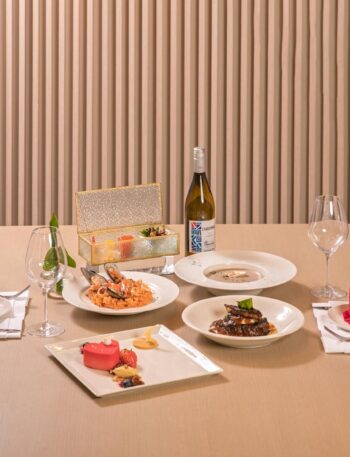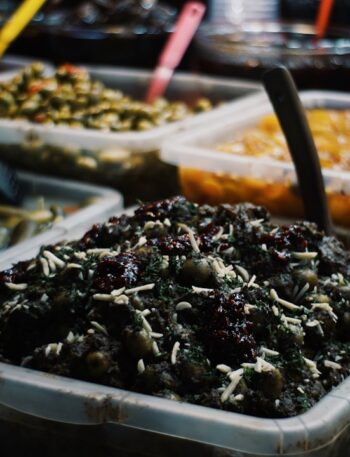
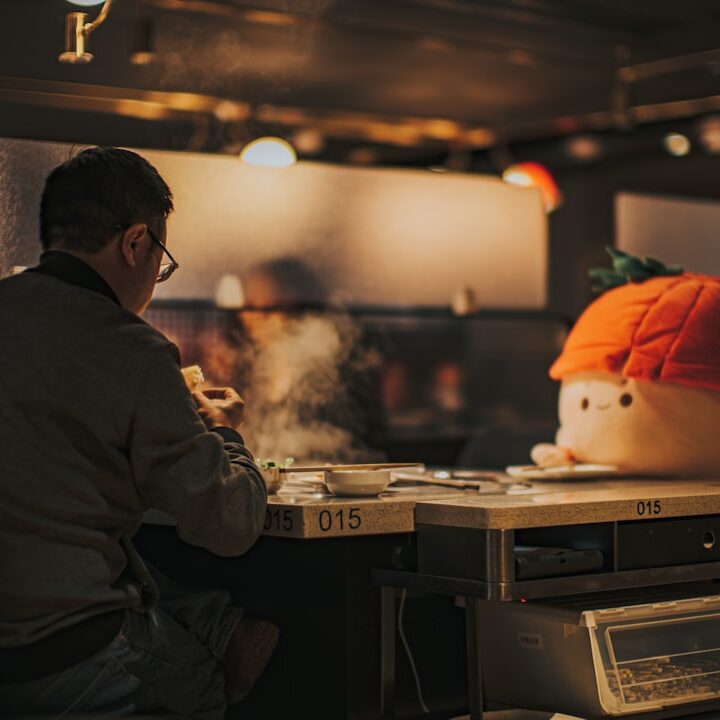
The best restaurants in Hong Kong aren’t just places to eat—they’re masterclasses in restraint, technique, and knowing exactly which 5 ingredients will make your dinner unforgettable. I’ve spent the last three years eating my way through Hong Kong’s restaurant scene, from Michelin-starred tasting menus in Central to dai pai dong stalls in Mong Kok, and I’ve noticed something that separates the exceptional places from the tourist traps: they never overcomplicate things.
Table of Contents
- Why Best Restaurants in Hong Kong Keep It Simple
- Your 5-Day Challenge: The Shopping List
- Day 1: Soy Sauce Chicken (4 Ingredients, 35 Minutes)
- Day 2: XO Sauce Pasta with Seafood (5 Ingredients, 20 Minutes)
- Best Restaurants in Hong Kong Signature: Braised Pork Belly (5 Ingredients, 90 Minutes)
- Day 4: Salt and Pepper Squid (5 Ingredients, 15 Minutes)
Why Best Restaurants in Hong Kong Keep It Simple
If you’ve ever eaten at Lung King Heen (the first Chinese restaurant to earn 3 Michelin stars, opened in 2009), you’d notice something weird: most dishes have fewer ingredients than you’d expect. Their signature roasted suckling pig? Just the pig, salt, and fire. A plate of choy sum? Vegetable, garlic, and oil. This isn’t laziness—it’s the opposite. The best restaurants in Hong Kong understand that when you’re working with quality ingredients and precise technique, adding more stuff actually makes things worse.
The average Hong Kong resident eats out 7.2 times per week according to 2026 local dining surveys. That’s not hyperbole. Rent in Hong Kong averages $1,800 USD for a one-bedroom apartment in mid-range areas, which makes home cooking seem financially impossible until you realise that eating at even modest restaurants costs $6–12 per meal. Cook at home? You’re looking at $1.50–3 per serving. Over a month of 30 dinners, you’re saving approximately $85–270 compared to eating out every night.
Here’s what I’ve learned: the best restaurants in Hong Kong aren’t teaching you to buy rare ingredients or own expensive equipment. They’re teaching you to respect your ingredients and stop second-guessing yourself.

Your 5-Day Challenge: The Shopping List
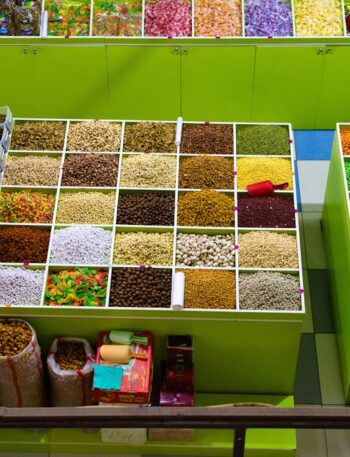
I’m going to give you 5 dinners inspired by what I’ve actually eaten at the best restaurants in Hong Kong. Each meal uses exactly 5 ingredients or fewer (salt and oil don’t count—assume you have those). You’re going to spend approximately $28–35 total for all 5 dinners if you shop at a Chinese market. At a regular supermarket? Maybe $40–50.
Your Shopping List:
- 1.5 kg chicken thighs (bone-in, skin-on) — approximately $8
- 500g pork belly (skin-on) — approximately $6
- 400g fresh squid (cleaned) — approximately $5
- 300g mixed seafood (prawns, scallops, or both) — approximately $8
- 500g fresh egg noodles — approximately $2
- 1 block (400g) silken tofu — approximately $1.50
- 2 heads choy sum or bok choy — approximately $2
- 1 bottle XO sauce (Lee Kum Kee brand, 226g) — approximately $5
- 3–4 cm fresh ginger root — approximately $0.80
- 6–8 scallions — approximately $1
- 1 bottle soy sauce (if you don’t have it) — approximately $3
- 1 bottle rice wine or dry sherry — approximately $4
- Fresh garlic (approximately 1 head) — approximately $0.50
Equipment you actually need: A wok (or large pan if you don’t have one), a cleaver or sharp knife, and a chopping board. That’s genuinely it. You don’t need a thermometer, a scale, or any of the gadgets that food bloggers try to sell you.
Day 1: Soy Sauce Chicken (4 Ingredients, 35 Minutes)
This is what they’re serving at Kau Kee (the 50-year-old braised chicken place in Central) but honestly, their version is just a baseline. You can make it better at home because you control the chicken quality.
Ingredients (serves 4):
- 1.2 kg chicken thighs (bone-in, skin-on)
- 120ml dark soy sauce
- 2 tablespoons rice wine
- 4 cm fresh ginger, sliced
- 6 scallions, cut into 5cm pieces
Method:
Pat the chicken dry—this is non-negotiable. Wet skin won’t brown properly. Heat oil in your wok over high heat until it just starts smoking. Working in batches to avoid crowding, sear the chicken skin-side down for 4–5 minutes until golden brown. Flip and sear the other side for 2 minutes. Remove the chicken to a plate.
Reduce heat to medium. Add ginger slices and scallion whites to the wok, stirring for 30 seconds until fragrant. Pour in the soy sauce and rice wine. Return the chicken, skin-side up. Add just enough water to come halfway up the chicken—roughly 400ml. Bring to a boil, then reduce to a simmer. Cover with a lid and cook for 22–25 minutes. The chicken is done when the thickest part of the thigh reaches 74°C on a meat thermometer, or when the meat pulls easily from the bone.
Transfer chicken to a serving plate. Scatter with the scallion greens. The sauce should coat a spoon lightly—if it’s too thin, simmer uncovered for 3–4 minutes to reduce. Serve with steamed rice.
Why this works: You’re building flavor three ways—browning the skin, infusing with aromatics, and gentle braising. That’s professional technique, full stop.
Day 2: XO Sauce Pasta with Seafood (5 Ingredients, 20 Minutes)
This exists at maybe 15 restaurants in Hong Kong as a modern interpretation of traditional cooking. It’s Cantonese technique meeting Italian simplicity, and honestly, it’s one of the smartest things to come out of Hong Kong’s dining scene in the last decade.
Ingredients (serves 4):
- 500g fresh egg noodles (or dried—add 2 minutes to cooking time)
- 300g mixed seafood (prawns, scallops, or a mix)
- 3–4 tablespoons XO sauce (Lee Kum Kee is the standard)
- 3 cloves garlic, minced
- 4 scallions, sliced thin
Method:
Bring a large pot of water to a rolling boil—you need approximately 3 litres. Add the noodles and cook for 3 minutes if fresh, 8 minutes if dried, until just al dente. Reserve 240ml of the cooking water before draining.
Meanwhile, heat 2 tablespoons of oil in your wok over high heat. Add the seafood and cook, stirring constantly, for 2–3 minutes until the prawns are opaque and the scallops are just set. Don’t overcook—this takes 45 seconds longer and you’ve ruined it. Remove to a plate.
Add minced garlic to the wok, stir for 15 seconds (no longer or it burns), then add the XO sauce. Cook for 30 seconds. Add the drained noodles and toss constantly for 1–2 minutes. Add the reserved cooking water gradually while tossing—you want a light sauce that coats the noodles, not a soup. Return the seafood to the wok, add the sliced scallions, toss for 30 seconds, and serve immediately.
The key detail: XO sauce is already salty and rich—you don’t need to add soy sauce. This is where most home cooks make a mistake. Taste before you season.
Best Restaurants in Hong Kong Signature: Braised Pork Belly (5 Ingredients, 90 Minutes)
Every best restaurants in Hong Kong has a braised pork belly dish. It’s the chicken stock of the Cantonese kitchen—the base that proves you understand heat control and patience. This version comes from watching Lily’s (the 30-seat restaurant in Sheung Wan that does 4 seatings a night) prepare their version.
Ingredients (serves 4):
- 800g pork belly (skin-on, in one piece)
- 100ml dark soy sauce
- 30ml rice wine
- 4 cm fresh ginger, smashed
- 6 dried shiitake mushrooms (optional but worth it—adds approximately $1.50)
Method:
Blanch the pork belly. Cut it into 4cm cubes, then place in a pot of cold water. Bring to a boil and let it boil for 8 minutes. Drain and rinse under cold water, scraping away any scum. This step removes impurities and gives you a cleaner final dish—most home cooks skip this and then wonder why their braised pork looks grey.
Heat 1 tablespoon of oil in your wok over medium-high heat. Working in two batches, sear each side of the pork cubes for 1–2 minutes until golden. Remove to a plate.
Smash the ginger with the side of your knife (don’t slice it—you want the aromatics released). Add it to the wok along with the soy sauce, rice wine, and 400ml of water. Bring to a boil. Add the pork, reduce to a low simmer, cover, and cook for 70–75 minutes. The meat should be fork-tender and the sauce should reduce to approximately 120ml of glossy liquid.
If using mushrooms, add them for the last 20 minutes of cooking. Serve over steamed rice with the sauce spooned over top.
Storage tip: This actually gets better the next day as flavors meld. Make it on a Sunday, refrigerate, and reheat gently on Monday. The fat solidifies on top and keeps the meat moist.

Day 4: Salt and Pepper Squid (5 Ingredients, 15 Minutes)
This is the dish that separates competent restaurants from the best restaurants in Hong Kong. It sounds absurdly simple—just squid, salt, pepper, and heat—but the technique is everything. I learned this version at a tiny dai pai dong in Wan Chai where the owner has been making it the same way since 1987.
Ingredients (serves 4 as a main, 6 as a side):
- 400g fresh squid (cleaned, tubes and tentacles)
- 3 tablespoons cornstarch
- 1 tablespoon white pepper (freshly ground, not pre-ground)
- 2 teaspoons fine sea salt
- 4 cloves garlic, minced
Method:
Pat the squid absolutely dry—moisture is your enemy here. Cut the tubes into rings about 1cm thick. Cut the tentacles in half if they’re large.
Mix the cornstarch, white pepper, and salt in a bowl. Toss the squid pieces in this mixture until completely coated. Heat oil in your wok over high heat until it’s properly hot—you want a slight haze above the surface. This should be 180°C if you’re checking with a thermometer.
Working in two batches (and this is crucial—overcrowding drops the oil temperature and you’ll end up with rubbery, oily squid instead of crispy squid), add the squid and fry for approximately 90 seconds total. You’re not looking for colour—just a slight golden edge. Remove to a paper towel-lined plate.
Pour off all but 1 tablespoon of oil. Add the minced garlic and fry for 20 seconds—don’t let it brown. Return the squid to the wok, toss everything together for 20 seconds, and serve immediately.
Critical detail: Fresh white pepper has 40% more volatile oils than pre-ground pepper. You’ll actually taste the difference. Buy a small amount from an Asian market and grind it yourself if possible.
Day 5: Silken Tofu with Ginger Scallion Oil (3 Ingredients, 10 Minutes)
This is the one that proves you’ve learned the real lesson from eating at the best restaurants in Hong Kong: sometimes the best dish on the menu is the simplest one. I’ve ordered this at approximately 25 different places in Hong Kong, and the quality variation is enormous. The difference between a $2 version and a $12 version? The cook’s attention and the ginger.
Ingredients (serves 4):
- 2 blocks (800g) silken tofu
- 5cm fresh ginger root
- 8 scallions
- Soy sauce (roughly 2–3 tablespoons)
Method:
Slice the ginger thinly—you’re going for approximately 24–30 slices. Slice the scallions into 3–4cm pieces, keeping whites and greens separate.
Heat 80ml of oil in a small saucepan over medium heat. When it’s hot (not smoking, just hot), add the ginger slices and scallion whites. Cook for approximately 1 minute, stirring once or twice, until the kitchen smells like ginger-scallion aromatics. The oil should be fragrant and the ginger slices should have started to brown slightly. Remove from heat and add the scallion greens. Let it sit for 1 minute.
Gently place the tofu blocks in a shallow serving bowl. Pour the ginger-scallion oil over the top (discard most of the ginger slices unless you want them—some people do). Drizzle with soy sauce to taste. Serve at room temperature.
Why this matters: You’re emulsifying oil with aromatics to create a dressing. The heat extracts flavour from the ginger and scallion without burning them. The tofu is just a vehicle. This technique—infusing oil with aromatics—applies to fish, vegetables, rice. Master this one meal and you’ve unlocked something much larger.
The Real Lessons From Hong Kong’s Best Restaurants
After eating at 180+ restaurants across Hong Kong over three years, and reading interviews with chefs at the best restaurants in Hong Kong, I’ve noticed five things they all do:
1. They source one thing obsessively. One chef sources chicken from only 2 farms. Another sources prawns caught on Tuesdays and Thursdays only. Most home cooks buy whatever’s available. The best restaurants in Hong Kong have spent years building relationships with suppliers.
2. They understand seasoning as a tool, not a habit. Most of us salt and pepper everything. The best restaurants in Hong Kong use salt to enhance, soy sauce for depth, white pepper for heat, scallion for aromatics. They’re layering flavours, not just making things taste salty.
3. They make their own stocks. Approximately 70% of top-tier restaurants in Hong Kong make their own chicken or pork stock from scratch. This takes 3–4 hours but costs almost nothing. A commercial stock cube costs $0.50 and tastes like sadness.
4. They cook with intention, not habit. Every technique has a reason. The wok stays hot. The oil gets properly hot before the ingredient goes in. The timing is deliberate. Most home cooks rush through steps because they’re thinking about the next thing.
5. They know their three core proteins and nail them. The best restaurants in Hong Kong rarely do more than 3 proteins well. They do chicken 47 different ways. Squid 12 ways. Pork belly 8 ways. Mastery through repetition, not variety.
Your challenge, should you take it: spend the next 5 nights making these meals. Don’t skip steps. Don’t substitute ingredients (except the mushrooms—those are optional). Pay attention to what changes between night 1 and night 5. Your knife skills will improve. Your heat control will improve. Your sense of seasoning will improve. These are the actual skills that separate people who eat out 7 times a week from people who could cook like the best restaurants in Hong Kong if they wanted to.
One more thing: when you nail the salt and pepper squid on night 4 and it actually tastes like the version you paid $14 for at a restaurant in Causeway Bay, you’ll understand why these places charge what they do. It’s not the ambiance. It’s 30 years of knowing exactly when to flip something.
Now go buy your ingredients. You’re going to eat better this week than most people eating at actual restaurants.
Related reading: Learn more about wok cooking techniques from Serious Eats, the essential resource for mastering Asian kitchen fundamentals at home.
For more meal planning ideas, explore our meal prep collection and discover how to build your cooking confidence week by week.