Table of Contents
Why Cornstarch Magic Works Better Than You Think
Here’s what separates professional kitchens from home cooking: cornstarch magic relies on science, not luck. Unlike flour, which contains gluten and proteins that can make coatings tough and absorb moisture, cornstarch is pure starch. When heated, cornstarch gelatinizes differently than wheat flour, creating an exceptionally crispy exterior while keeping interiors tender and juicy.
The magic happens at around 140°C (285°F), where cornstarch reaches optimal gelatinization. This means your fried foods achieve that signature restaurant crunch without requiring a culinary degree. Professional chefs from Thomas Keller’s French Laundry to casual ramen shops use cornstarch magic in their batters because it’s reliable, affordable, and dramatically improves results.
Beyond frying, cornstarch magic works as a moisture absorber. Toss it with proteins before cooking to draw out surface water—the enemy of browning. This single step transforms ordinary pan-seared scallops into golden beauties with restaurant-quality crusts.

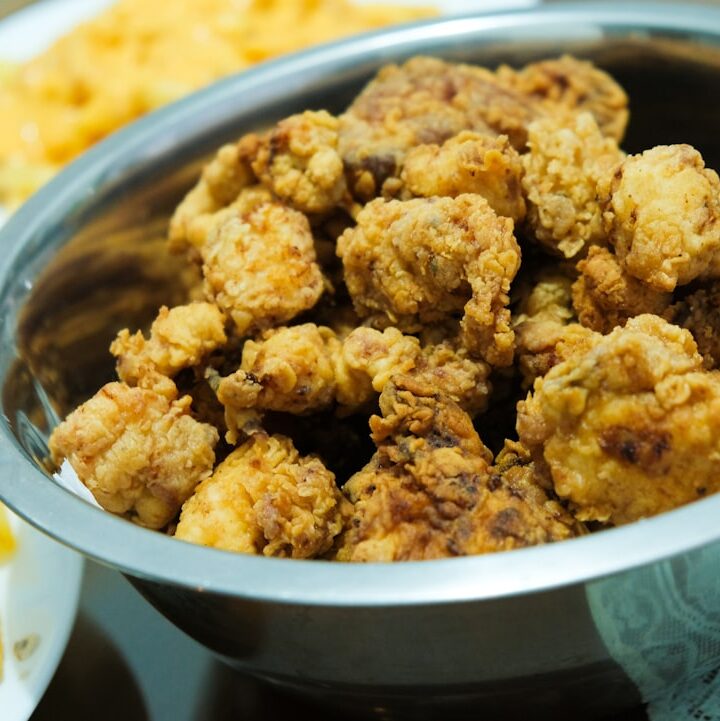
The Ultimate Crispy Coating Technique Using Cornstarch Magic
Want to replicate what the BA Editors tried and loved this spring? Start here. The ultimate crispy coating combines cornstarch magic with two simple techniques professionals swear by.
The Perfect Formula: Mix equal parts cornstarch and all-purpose flour (or potato starch for ultimate crispiness), add seasoning, a pinch of baking powder, and cold sparkling water or beer instead of still water. The carbonation creates tiny air pockets, amplifying crispness—and cornstarch magic ensures they stay crispy longer.
For proteins, pat everything completely dry first. This is non-negotiable. Then dust lightly with cornstarch magic—this draws out any remaining surface moisture while your oil heats to 175°C (350°F). The result? A mahogany-brown crust that stays crispy for hours, not minutes.
Try this with spring vegetables: thin-sliced asparagus, artichoke hearts, or even delicate mushrooms. Cornstarch magic works equally well on produce, preventing the soggy sogginess that turns tempura depressing. You’ll achieve the snappy texture that keeps readers bookmarking recipes.
Cornstarch Magic for Restaurant-Quality Sauces
Here’s where cornstarch magic becomes genuinely transformative for weeknight cooking. While cornflour slurries have existed forever, most home cooks use far too much, creating gluey, unpleasant results. The secret: use cornstarch magic with restraint and proper technique.
For a glossy sauce, mix one tablespoon of cornstarch with two tablespoons of cold liquid (stock, wine, or water). Whisk until completely smooth—lumps are your enemy. Heat your sauce or braising liquid until barely simmering, then slowly drizzle in the slurry while stirring constantly. Stop the moment it reaches desired thickness; cornstarch magic thickens further as it cools.
This technique works beautifully for stir-fries and Asian braises, where glossy sauces cling to ingredients. It’s equally valuable for spring berry coulis (pair with that strawberry roll cake), pan sauces after searing meat, or any situation where you need silky, professional-looking results without flour’s cloudiness.
The budget advantage is staggering: a single box of cornstarch costs roughly £1.50–$2 and lasts months, easily thickening dozens of sauces. Compare that to specialty thickeners or the restaurant markup for sauces you’ll now make at home.
Spring Baking: The Strawberry Roll Advantage
Welcome spring with Bake Club’s strawberry roll cake—and discover how cornstarch magic transforms this delicate dessert. Unlike traditional sponge cakes that can crack or stick, adding one tablespoon of cornstarch per 100g of flour creates a more tender crumb structure that won’t split when rolling.
Cornstarch magic works by replacing a portion of flour’s gluten development. The result? A cake with a more delicate texture, almost silky mouthfeel, while maintaining enough structure to hold whipped cream and fresh berries without collapsing. Professional pastry chefs understand this ratio intuitively; home bakers often overthink it.
For the strawberry filling, cornstarch magic becomes invaluable. Fresh strawberries release moisture—a challenge when you want that berry flavor without soggy cake. A thin strawberry coulis made with cornstarch magic (just 1 teaspoon per 300g fresh berries) stabilizes the filling while keeping it glossy and vibrant. The berries remain identifiable and fresh-tasting, not dissolved into jam.
Pro tip: dust your sponge cake with a light coating of cornstarch magic mixed with icing sugar before rolling. This prevents sticking without adding the greasiness of flour. It’s the small detail that separates homemade cakes from bakery-quality results.
Budget-Friendly Applications That Deliver Maximum Impact
Cornstarch magic costs essentially nothing, yet creates disproportionately impressive results. Here’s where savvy home cooks get the most value:
Fried Rice Excellence: Toss cooked rice with 1 tablespoon of cornstarch per 2 cups before high-heat stir-frying. The starch helps grains stay separate and crispy, preventing the mushy texture that defeats fried rice. Similarly, when reheating leftover rice, cornstarch magic prevents clumping while creating slightly crispy edges.
**Battered Vegetables:** Broccoli, cauliflower, and snap peas become impossibly crispy with cornstarch magic batters. Use 1:1 cornstarch to flour, add baking powder and ice-cold water, and you’ll achieve that shattering exterior that makes vegetables addictive rather than virtuous.
**Custards and Creams:** Cornstarch magic creates silkier custards than cornflour alone. It thickens at lower temperatures, meaning less risk of scrambling eggs and less cooking time overall—crucial for delicate spring desserts.
**Prevent Boil-Over:** Stir 1/2 teaspoon of cornstarch magic into pasta water. It reduces foam formation, preventing the messy boil-overs that plague weeknight cooking. A penny-sized effort, zero-cost impact.
The commonality? All these applications transform ordinary cooking into something noticeably better, with zero additional expense or effort. That’s the definition of an underrated ingredient.
The Bottom Line on Cornstarch Magic
Cornstarch magic isn’t revolutionary because it’s new—it’s revolutionary because most home cooks simply don’t understand its potential. Professional kitchens across cuisines rely on it precisely because it’s affordable, reliable, and delivers measurable improvements across sweet and savory cooking.
Next time you’re planning spring baking or weeknight dinners, reach for the cornstarch magic. Dust proteins before searing. Mix it into your stir-fry sauce. Fold it into cake batter. Use it in your strawberry roll filling. Every application will deliver results that taste dramatically better than what you achieved before—without spending more money or requiring advanced technique.
Explore more on Recipes – Scope Digest and browse our Recipes section.
That’s not magic. That’s just smart cooking.
Photo by Alfonso Rodríguez on Unsplash