Table of Contents
The Granola Bar Lies That Fool Shoppers
The granola bar industry has perfected the art of deception. Manufacturers know consumers equate “granola” with “healthy,” so they slap this word on packaging alongside images of oats, nuts, and dried fruit. The reality? Many granola bars are engineered confections with minimal nutritional value.
One of the biggest granola bar lies is the “whole grain” claim. A bar might contain whole grain oats, but they’re bound together with corn syrup, sugar, and honey—often in quantities that dwarf the actual grain content. Another common trick: using alternative sweeteners like agave nectar or coconut sugar to create a health halo, even though these are essentially equivalent to regular sugar in terms of metabolic impact.
Popular brands like Brand A market their bars as “natural” and “organic,” yet contain 12-15g of sugar per bar—roughly what you’d find in a chocolate chip cookie. Brand B advertises “protein-packed” bars that derive most calories from added sugars rather than protein powder or nuts.

How Much Sugar Is Really in Your Granola Bar?
Let’s talk numbers, because granola bar lies often hide in the nutrition label fine print. A typical 35g bar contains 8-15g of sugar. For context, that’s equivalent to 2-4 teaspoons. The American Heart Association recommends women consume no more than 25g of added sugar daily, and men 36g. One bar could represent 30-60% of your daily limit.
The granola bar lies become more obvious when you compare products side-by-side:
- Popular Breakfast Bar: 13g sugar, marketed as “wholesome”
- Chocolate Biscuit Cookie: 11g sugar, honest labeling
- Homemade Granola Bar: 4-6g sugar, actual whole ingredients
What makes granola bar lies particularly insidious is that manufacturers exploit the “breakfast food” category, which enjoys a health bias in consumer perception. You’d never eat a brownie for breakfast, but a granola bar? That feels virtuous. Yet nutritionally, they’re often identical.
The sugar in these bars spikes blood glucose rapidly, leading to an energy crash within 90 minutes—the opposite of what you want from breakfast. This metabolic rollercoaster keeps you hungry and reaching for more snacks, which is precisely what manufacturers hope for.
Deceptive Granola Bar Lies in Marketing Language
Food companies use carefully chosen language to perpetuate granola bar lies without technically violating advertising standards:
“Made with Real Fruit” – This typically means fruit concentrate or dried fruit coated in sugar. The fruit content is often minimal, but the sugar from added sweeteners and fruit processing dominates the bar’s composition.
“No Artificial Colors or Flavors” – This claim says nothing about sugar content or nutritional value. It’s a truth that obscures a lie through selective messaging.
“Good Source of Fiber” – While some bars do contain beneficial fiber, it’s often combined with so much sugar that the glycemic impact negates the benefit. The ratio of sugar-to-fiber matters more than the presence of either alone.
“Gluten-Free” or “Vegan” – These are dietary accommodations, not health claims. A gluten-free granola bar can be every bit as sugary as a conventional one. This is how granola bar lies exploit consumers’ other dietary priorities.

Better Granola Bar Choices: What to Actually Buy
If you’re committed to eating granola bars despite the granola bar lies flooding the market, here’s how to choose wisely:
- Check the Sugar Content: Aim for bars with less than 8g of added sugar. If sugar is listed in the first three ingredients, skip it.
- Protein-to-Sugar Ratio: Look for bars with at least 5g of protein and less than 1g of sugar per gram of protein.
- Read the Ingredient List: Recognisable whole foods (oats, almonds, dates) should dominate. Avoid proprietary blends and vague ingredients like “natural flavors.”
- Brands Worth Considering: BBC Good Food reviews several lower-sugar options, though even “better” bars are often mediocre nutritionally.
Some genuinely better options exist in the market—brands that use dates and nuts as primary binders with minimal added sugar. These cost more, which is precisely why marketing granola bar lies works so effectively. Consumers expect breakfast snacks to be cheap, and you can’t make them cheaply with real ingredients.
Make Your Own: The Real Solution to Granola Bar Lies
The best antidote to granola bar lies? Make your own. Homemade granola bars take 15 minutes of prep time and cost a fraction of commercial versions while delivering actual nutrition.
Simple No-Bake Granola Bar Recipe:
- 1 cup rolled oats
- ½ cup natural almond butter
- ⅓ cup honey or maple syrup
- ½ cup chopped almonds and walnuts
- ¼ cup unsweetened coconut
- Pinch of sea salt
Mix all ingredients, press firmly into a parchment-lined 8×8 pan, refrigerate for 2 hours, and cut into bars. Each bar contains roughly 5g of natural sugars and actual whole food ingredients—no granola bar lies required.
Making your own bars also teaches you how much sweetener is actually necessary. Most commercial granola bar lies succeed because consumers have been conditioned to expect overly sweet breakfast foods. When you control the recipe, you rediscover that less sugar tastes better once your palate adjusts.
The Bottom Line on Granola Bar Lies
The granola bar industry has built an empire on a simple lie: that breakfast foods deserve a health halo regardless of nutritional content. By exploiting consumer associations between “granola,” “natural,” and “wholesome,” manufacturers sell glorified candy bars at premium prices while positioning themselves as health-conscious choices.
Next time you reach for a granola bar, flip it over and check the sugar content. Compare it to the chocolate bar next to it. You’ll likely find they’re nutritionally equivalent. That’s not a coincidence—it’s a calculated deception. Your best defence against granola bar lies is becoming a label reader and, ideally, making your own bars at home.
Explore more on Recipes – Scope Digest and browse our Healthy Eating section.
Want to expose more food industry deceptions? Explore our Healthy Eating category for evidence-based nutrition guidance that cuts through the marketing noise.
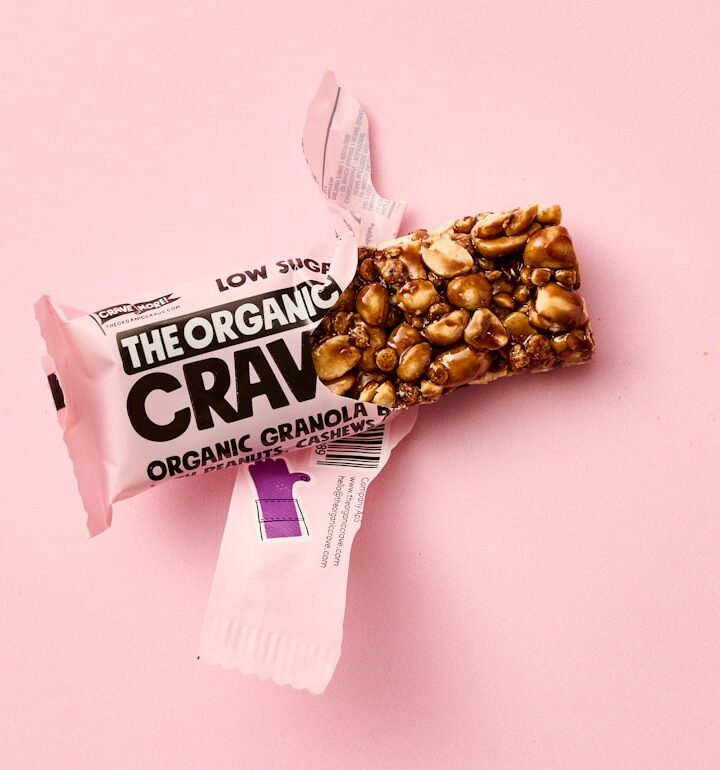
Photo by THE ORGANIC CRAVE Ⓡ on Unsplash