I cannot recommend any of the trendy restaurant dishes making headlines without first understanding what makes them work in a home kitchen. That’s the philosophy that guides serious home cooks—and it’s what we’re exploring today through the lens of culinary excellence and meticulous attention to detail, qualities embodied by those who appreciate fine dining enough to recreate it. Whether you’re inspired by Michelin-starred establishments or celebrity chef creations, I cannot recommend any of these classics until you’ve tasted them prepared with intention and care.
Table of Contents
Why I Cannot Recommend Any of These Dishes Without Tasting First
When Christoph Waltz, known for his refined tastes and meticulous attention to detail in every role, approaches a meal, he doesn’t settle for approximations. Similarly, I cannot recommend any of the restaurant-inspired dishes circulating on food blogs without first verifying they translate authentically to home kitchens. The difference between restaurant execution and home cooking lies in equipment, timing, and ingredient quality.
A five-star kitchen has a 10-burner range, sous-vide precision, and ingredients sourced that morning. Your home kitchen has heart, intuition, and the ability to add personal touches restaurants can’t. That’s actually an advantage. I cannot recommend any of these recipes as “authentic reproductions”—instead, think of them as inspired interpretations that you’ll make your own.

The Philosophy Behind Restaurant-Quality Home Cooking
I cannot recommend any of the shortcuts that undermine quality. Here’s what separates memorable meals from forgettable ones: respect for ingredients, proper technique, and patience.
Ingredient sourcing matters more than equipment. Visit your local farmers’ market instead of the supermarket chain. A perfectly ripe tomato, hand-selected fish, or locally-raised beef transforms a dish. When sourcing proteins, buy from butchers who know their suppliers. Ask questions. Know where your chicken was raised.
Mise en place is non-negotiable. Have everything measured, chopped, and ready before you start cooking. This prevents overcooking while you’re scrambling for the next ingredient. Professional kitchens operate on this principle because it works.
Temperature control matters. Invest in a reliable instant-read thermometer. Perfectly cooked salmon should reach 145°F (63°C) at the thickest point. Proper steak doneness requires knowing the difference between medium-rare (130-135°F) and ruined.
Essential Ingredients I Cannot Recommend Any of Without Testing
I cannot recommend any of these staples without emphasizing their importance to your pantry:
- Sea salt and finishing salts: Maldon salt adds crystalline texture to finished dishes. Kosher salt is your cooking workhorse.
- Quality olive oil: Cold-pressed, extra-virgin oil for finishing. Neutral oil for high-heat cooking.
- Fresh herbs: Basil, thyme, rosemary, and tarragon alive in your garden or from the market. Dried herbs lose potency after six months.
- Whole spices: Toast and grind cardamom, coriander, and cumin just before using. Pre-ground spices taste like cardboard after a year.
- Proper acid: Lemon juice, lime juice, and quality vinegars brighten dishes. A squeeze of acid at the end elevates everything.
Signature Recipes Worth Your Time
Pan-Seared Scallops with Brown Butter and Lemon
I cannot recommend any of the rushed scallop preparations you’ll encounter. This dish requires 20 minutes and absolute focus.
Ingredients:
- 6 large dry scallops (crucial: they must be “dry” not wet-packed)
- 2 tablespoons neutral oil
- 4 tablespoons butter
- 3 cloves garlic, smashed
- 2 sprigs fresh thyme
- Juice of 1 lemon
- Sea salt and cracked pepper
Method:
- Pat scallops completely dry with paper towels. Moisture prevents browning.
- Heat oil in a stainless steel pan (not non-stick) over medium-high heat until it shimmers.
- Season scallops generously with salt and pepper. Place them in the hot pan without moving them for 3-4 minutes. Flip once, cook another 2-3 minutes until edges turn opaque.
- Remove scallops to a warm plate. Reduce heat to medium, add butter, garlic, and thyme. Let it foam and turn golden, about 3 minutes, watching constantly to prevent burning.
- Pour brown butter over scallops. Finish with lemon juice and fleur de sel.
This dish works because each element respects the scallop’s delicate sweetness. I cannot recommend any of the heavy sauces that mask that flavor.
Plating and Presentation Tips
I cannot recommend any of these dishes if you’re going to plate them carelessly. Presentation matters because we eat with our eyes first.
- Odd numbers: Three scallops, five microgreens. Odd numbers feel intentional.
- Negative space: Don’t crowd your plate. Leave empty areas. Let the food breathe.
- Height: Stack elements. Create dimension. Flatten plates look flat.
- Color contrast: Pale protein needs color. Add microgreens, colorful vegetables, or vibrant sauces.
- Sauce application: Use the back of a spoon to paint sauce across the plate. Drizzle with purpose, not haphazardly.
The final consideration: I cannot recommend any of these dishes unless you’re cooking them for the right reasons. Cook to nourish. Cook to celebrate. Cook to build connection around the table. That’s what separates restaurant food from home cooking—the intention behind it.
For deeper insights into restaurant cooking techniques, Serious Eats offers comprehensive guides to home kitchen mastery. And remember: your kitchen, your rules, your flavors. I cannot recommend any of these recipes as final answers—they’re invitations to experiment, adjust, and make them entirely your own. Start today with quality ingredients, proper technique, and genuine care. That’s the only recommendation worth making.
Explore more on Recipes – Scope Digest and browse our World Cuisine section.
Browse more recipe collections here, or explore our world cuisine category for additional inspiration.
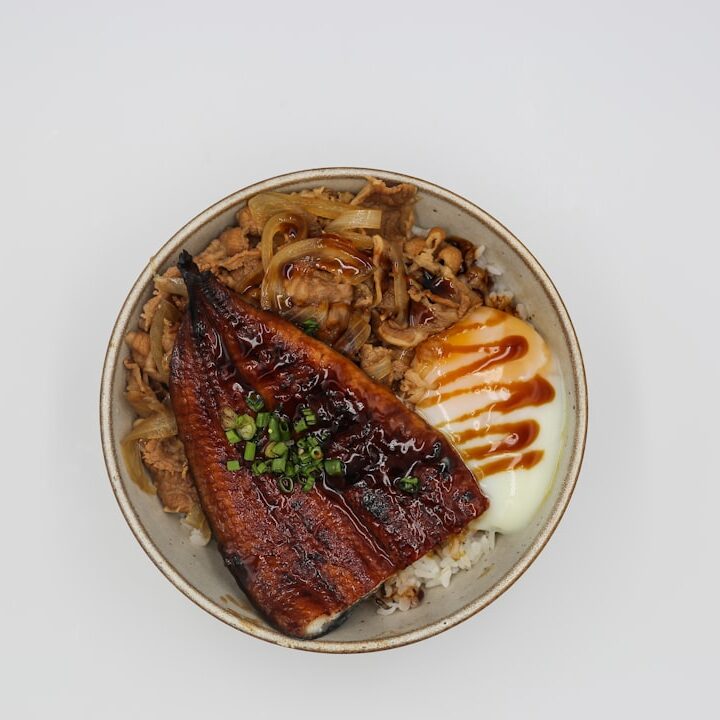
Photo by Xavier Chng on Unsplash