I Cannot Recommend Any of These Kitchen Mistakes—Here’s What to Do Instead
Listen, I cannot recommend any of the culinary shortcuts I see home cooks making every single day. After years of developing recipes and cooking in kitchens both professional and domestic, I’ve watched talented people sabotage their own meals with preventable errors. But here’s the warm truth: once you know what to avoid, you’ll transform your cooking overnight. Let me share the biggest offenders and exactly how to fix them, so your next meal tastes absolutely incredible.
Table of Contents
Common Mistakes I Cannot Recommend Any of These Practices
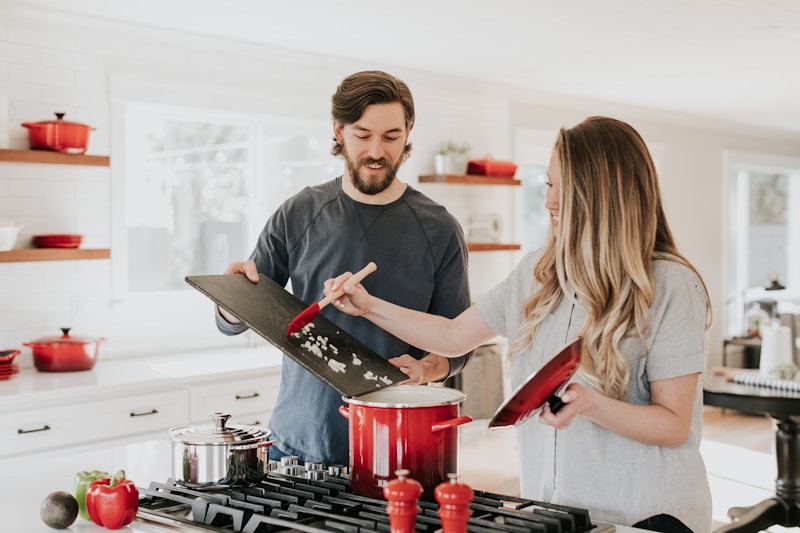
Let me be direct: I cannot recommend any of the time-saving tricks that actually destroy your final dish. The biggest culprit? Cooking with cold ingredients straight from the fridge. Whether it’s cold butter for baking, cold oil for a pan, or room-temperature chicken going into a hot skillet, cold ingredients create problems.
Here’s why this matters: cold butter won’t cream properly with sugar, cold oil won’t heat evenly and will splatter dangerously, and cold protein won’t develop that gorgeous golden crust we all crave. Instead, remove ingredients 30 minutes before cooking. Let them reach room temperature naturally—your taste buds will thank you.
Another practice I cannot recommend: overcrowding your pan. Whether you’re searing beef, roasting vegetables, or cooking fish, that crowded pan drops temperature instantly. You’ll steam your food instead of browning it, losing those incredible Maillard reaction flavors that make food taste restaurant-quality. Leave space between items. Cook in batches if needed. Patience yields flavor.
Temperature Control: Where I Cannot Recommend Any of These Approaches
Temperature precision separates good cooks from great ones. I cannot recommend any of these temperature disasters:
Cooking everything on high heat: Your pan screams, your food burns on the outside and stays raw inside, and your kitchen becomes a smoke alarm symphony. Instead, let your heat match your technique. High heat for searing proteins (2-3 minutes per side for a steak). Medium heat for sautéing vegetables. Low heat for delicate sauces. Medium-low for eggs. This simple adjustment changes everything.
Not preheating: Never skip this step. Preheat your pan for 2-3 minutes until a drop of water dances across it. Preheat your oven 15 minutes before baking. A preheated environment sets the stage for proper cooking and browning.
Skipping the meat thermometer: I cannot recommend any of the guesswork methods—cutting into meat to check doneness, relying on color, or using the hand-touch test. Invest in a simple instant-read thermometer ($15-25). Chicken: 165°F. Beef medium-rare: 135°F. Pork: 145°F. Perfect results, every time.

Seasoning Blunders I Cannot Recommend Any of These Timing Issues
Seasoning is where intuition meets technique. I cannot recommend any of these seasoning approaches:
Salt only at the end: This is backwards. Seasoning throughout cooking allows salt to penetrate and enhance each layer of flavor. Add a pinch to your pan before the protein, season vegetables as they cook, taste and adjust as you go. Final seasoning is a finishing touch, not the entire strategy.
Using old spices: Those jars sitting in your cabinet for three years? Replace them. Ground spices lose potency after 6 months; whole spices last 1-2 years. Fresh spices cost less than dining out once, and they transform ordinary dishes into memorable ones. Toast whole spices in a dry pan for 30 seconds before using—this releases their essential oils.
Adding fresh herbs too early: Delicate herbs like basil, cilantro, and parsley belong at the end, right before serving. Hardy herbs like rosemary and thyme can go in during cooking. I cannot recommend any of the methods that ignore this distinction—your herbs deserve respect.
Prep Work Problems Nobody Should Accept
Mise en place—having everything prepped and ready—isn’t fancy French show-boating. It’s insurance against disaster.
I cannot recommend any of the rushed cooking approaches. Prep your ingredients before heat touches your pan. Mince your garlic, dice your onions, measure your liquids, arrange your workspace. This takes 10 minutes and prevents the panic of scrambling mid-cook.
Also: I cannot recommend any of the sloppy cutting techniques. Uniform sizes cook evenly. A carrot cut into ½-inch pieces cooks in 8-10 minutes; jagged chunks take 20. This matters when you’re building balanced, delicious meals.
Simple Formula for Better Cooking: Take any vegetable (carrots work beautifully), cut into uniform ½-inch pieces, toss with 1 tablespoon olive oil, ½ teaspoon salt, ¼ teaspoon pepper, and roast at 425°F for 12-15 minutes, stirring halfway. The result: caramelized edges, tender centers, and genuine flavor.
For more information, see Serious Eats.
Your Path to Better Cooking Starts Now
I cannot recommend any of these shortcuts because your food deserves better—and you deserve the confidence that comes from technique. Start with one fix this week. Maybe it’s investing in a meat thermometer. Maybe it’s letting ingredients reach room temperature. Maybe it’s replacing your stale spices.
These aren’t complicated changes. They’re small adjustments that compound into genuinely impressive meals. Your family will notice. Your friends will ask for recipes. You’ll feel that genuine satisfaction of serving food you’re proud of.
Explore more on Recipes – Scope Digest and browse our Quick Meals section.
The kitchen isn’t intimidating once you understand these fundamentals. I cannot recommend any of the overly complex approaches when simple, intentional cooking creates the best results. Cook with warmth, precision, and patience. That’s where the magic happens.
Photo by Vishal Dhanda on Unsplash