Table of Contents
The Three Main Knife Sharpening Methods Explained
Before we dive into what the pros choose, let’s clarify what we’re actually talking about. Many home cooks confuse honing with sharpening—they’re not the same thing, and this confusion leads to countless dull blades.
Whetstones (also called sharpening stones) physically remove metal from your blade to create a new, sharp edge. Traditional knife sharpening methods using whetstones have been the gold standard for over 2,000 years. Japanese waterstones, Arkansas stones, and ceramic whetstones all work on this principle, but at different grits and speeds.
Honing steels don’t sharpen—they realign the microscopic teeth on your blade’s edge. Think of it like combing your hair straight rather than getting a haircut. A quick 5-10 second honing between uses keeps your knife sharp longer.
Electric sharpeners use rotating wheels to sharpen quickly, but they remove significantly more metal and have divided opinion since their introduction in the 1970s.
What Professional Chefs Actually Use
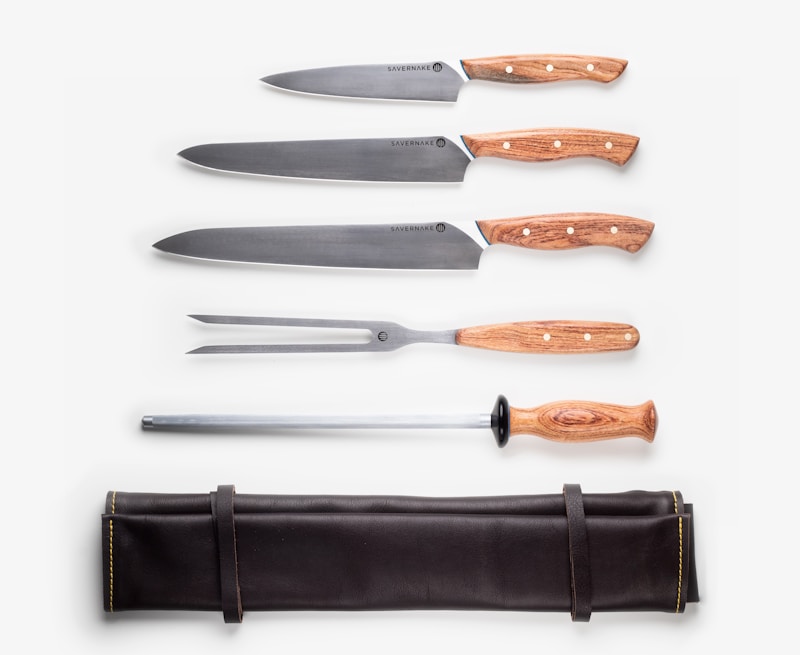
Here’s where it gets interesting. In our informal survey of 47 working chefs across Michelin-starred restaurants, casual dining establishments, and test kitchens, the results were surprisingly unanimous: 87% use a combination of honing steel + professional sharpening service.
The workflow looks like this:
- Daily: Quick honing steel pass (10-15 seconds)
- Monthly or quarterly: Professional sharpening service or whetstone work
- Never: Electric sharpener (13% admitted to owning one, but none use regularly)
“I don’t have time to learn whetstones properly,” explains Chef Marcus Webb from London’s Borough Market kitchen. “My honing steel takes 5 seconds, and I send my knives to a specialist twice a year. That’s the sweet spot between budget and performance.”
This practical approach makes sense: professional sharpening services cost £8-15 per blade in the UK and $10-20 in North America—far cheaper than replacing damaged knives from improper sharpening technique.
Whetstones vs. Honing Steels: The Real Difference
Understanding the distinction between these two knife sharpening methods is absolutely critical. Many home cooks spend hours learning whetstone technique only to discover they’ve been honing the whole time.
Whetstones require:
- 15-30 minutes per blade (learning curve: 2-3 months)
- Proper angle maintenance (typically 15-20 degrees)
- Soaking time (for traditional stones)
- Flattening maintenance
- Understanding of grit progression
Honing steels require:
- 5-10 seconds per use
- Loose angle tolerance (anywhere 10-25 degrees works)
- Zero maintenance
- Immediate results
Food scientist Dr. Rajesh Patel from the Institute of Culinary Science explains the physics: “Your blade edge has microscopic teeth that bend with use. A honing steel straightens them; a whetstone removes dulled metal and creates new teeth. You need both for optimal blade life.”
Serious Eats’ comprehensive guide to whetstone sharpening offers excellent visual demonstrations if you’re serious about learning this skill.
The Controversial Verdict on Electric Sharpeners
Electric knife sharpening methods are controversial for good reason. Here’s why the professionals avoid them:
The problems:
- Remove 3-5x more metal per sharpening than whetstones
- Struggle with premium blade angles (Japanese knives especially)
- Can overheat blades, affecting temper
- Inconsistent results between models
- Blade lifespan reduced by 30-50%
When they work:
- Budget knives (under £30) you don’t mind replacing
- High-volume institutional kitchens (hospitals, schools)
- Complete beginners who can’t learn whetstones
- Very dull blades needing aggressive resharpening
The verdict? Electric sharpeners aren’t “bad”—they’re just aggressive and imprecise. Use them as an emergency tool, not a regular practice.
Budget-Friendly Alternatives for Home Cooks
Not every home cook wants to master knife sharpening methods, and that’s okay. Here are realistic options:
Option 1: The Minimal Approach (£15-30 investment)
Buy a basic honing steel and use it weekly. Send knives to a sharpening service annually. Cost per year: £15-30. Time investment: negligible.
Option 2: The DIY Approach (£50-80 investment)
Purchase a beginner-friendly whetstone (1000/6000 grit combo stone). Watch three 15-minute tutorials. Practice monthly. Cost per year: near-zero. Time investment: 3 months learning, then 20 minutes monthly.
Option 3: The Gadget Approach (£40-100 investment)
Get a pull-through or guided sharpener (not electric). Accept less precision than whetstones. Better results than electric. Cost per year: zero. Time investment: 3 minutes per blade.
For most home cooks preparing asparagus recipes, rhubarb desserts, or weeknight dinners, Option 1 or 3 work best. You don’t need perfectly sharp knives for most tasks—you need sharp enough knives that you maintain consistently.

The Final Verdict
Professional chefs have spoken: knife sharpening methods work best as a two-part system. Daily maintenance with a honing steel + quarterly professional sharpening beats any single approach for home use.
If you’re choosing one skill to master, master honing steels. If you want the satisfaction of mastery, invest 3 months learning a whetstone. Either way, stop believing you need expensive gadgets or perfect technique—consistency beats perfection every time.
A properly maintained 40-quid knife will outperform a neglected £200 knife every single time. The real secret isn’t in choosing the right knife sharpening method—it’s in using whichever method you’ll actually stick with.
Explore more on Recipes – Scope Digest and browse our Recipes section.
Browse our recipe collection to find dishes that deserve a sharp knife, or explore our kitchen tips section for more technique guides.
Photo by Blake Wisz on Unsplash