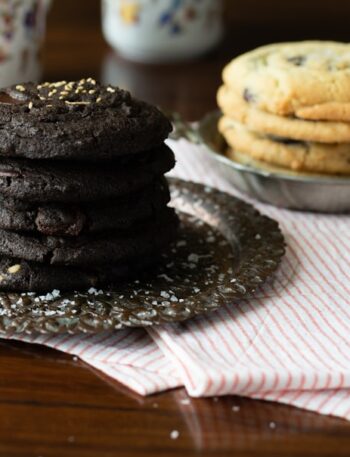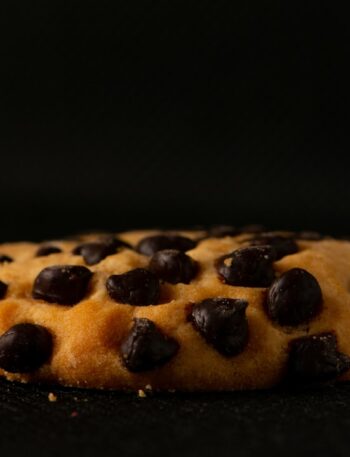
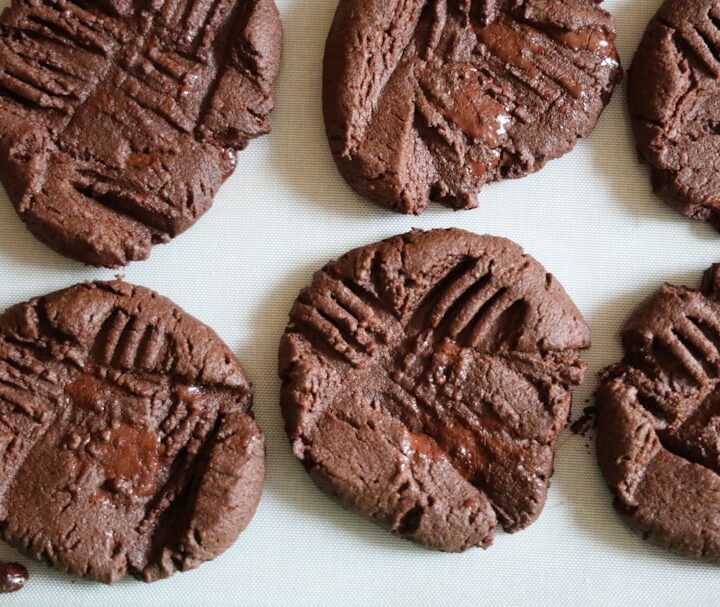
Most people think tahini cookies sound like a health-food compromise—something grainy, bitter, and vaguely punishing. The reality? Fudgy chocolate tahini cookies are rich, decadent, and legitimately crave-worthy. One bowl. No mixer. No complicated technique. Just pure chocolate-tahini heaven that shatters the biggest myth in the dessert world: that tahini has no place in sweets.
Table of Contents
The Myth: Tahini Belongs Only in Savory Food
Walk into almost any kitchen, and tahini lives next to hummus and falafel. It’s been relegated to the savory side of the pantry for so long that the idea of tahini cookies makes people uncomfortable. “Isn’t that bitter?” “Won’t it taste weird with chocolate?” “Isn’t tahini, like, healthy stuff?”
These questions reveal a fundamental misunderstanding: tahini isn’t bitter. Raw sesame paste (when made from quality seeds) is nutty, creamy, and slightly sweet—closer to peanut butter than anything austere. When combined with chocolate and sugar, tahini doesn’t fight. It amplifies. It deepens. It makes chocolate taste more chocolatey.
The confusion likely stems from raw tahini’s strong flavor. Undiluted, yes, it’s intense. But in baked goods—especially with cocoa, sugar, and fat—it transforms into something luxurious. Think of it the same way you’d think of using espresso powder in brownies: the sesame doesn’t announce itself. Instead, it makes everything taste better.
Why Tahini Cookies Actually Work (The Science)
Here’s what makes tahini cookies scientifically superior to traditional chocolate cookies: fat composition and moisture retention.
Fat Profile: Tahini is roughly 50% fat, but unlike butter, it contains more unsaturated fat. This creates a different texture—less greasy, more tender. The cookies spread less, stay thicker, and develop that signature fudgy crumb that tastes like brownie and cookie had a perfect baby.
Moisture: Tahini adds water-binding compounds (proteins and minerals) that keep cookies soft for days. While butter-based cookies crisp up, tahini cookies maintain that dense, almost gooey center even after cooling. Food scientists call this hygroscopicity—the ability to attract and hold moisture. Tahini is a moisture magnet.
Emulsification: Sesame paste acts as a natural emulsifier, helping chocolate and other ingredients blend seamlessly without separation. This is why these cookies have such a silky, uniform crumb.
According to Serious Eats, incorporating alternative fat sources like tahini in baking can actually improve texture complexity and shelf life—making these cookies not just delicious, but scientifically smarter.
Fudgy Chocolate Tahini Cookies: 1-Bowl Recipe
Ingredients:
- ¾ cup tahini (well-stirred)
- ½ cup unsweetened cocoa powder
- ½ cup granulated sugar
- ¼ cup brown sugar
- 1 large egg
- 1 tsp vanilla extract
- ½ tsp baking soda
- ¼ tsp sea salt
- ⅓ cup dark chocolate chips (optional but recommended)
Instructions:
- Combine wet ingredients: In a single bowl, whisk together tahini, egg, vanilla, and both sugars until smooth (about 1 minute). The mixture should be glossy.
- Add dry ingredients: Sift cocoa powder, baking soda, and salt directly into the bowl. Fold gently until no cocoa streaks remain. Stir in chocolate chips.
- Chill (optional but helpful): Refrigerate dough for 15 minutes. This prevents excessive spreading and deepens the fudgy texture.
- Scoop and bake: Preheat oven to 350°F (175°C). Scoop tablespoon-sized portions onto parchment paper, spacing them 2 inches apart. Bake 10-12 minutes—cookies should look barely set when removed from the oven.
- Cool on pan: Let cookies rest on the baking sheet for 5 minutes before transferring to a wire rack. They’ll continue to set as they cool.
Yield: About 18 cookies | Time: 25 minutes (plus optional chill time)
Common Tahini Cookie Mistakes (and How to Avoid Them)
Mistake #1: Using Unstirred Tahini
Tahini separates. If you scoop from the top of the jar, you’ll get thick, dry paste. Always stir it thoroughly (or buy tahini butter, which has better suspension). This affects both flavor and texture of your tahini cookies.
Mistake #2: Overbaking
This is the #1 killer of fudgy texture. Remove cookies when they still look slightly underdone—they’ll look almost wet in the center. They firm up as they cool. If you wait for them to look fully baked in the oven, they’ll be crunchy, not fudgy.
Mistake #3: Wrong Tahini Type
Raw tahini and roasted tahini are different beasts. Roasted tahini (darker, nutty) works better in desserts. Raw tahini can taste slightly bitter in baked goods. Check your jar—it should be clearly labeled.
Mistake #4: Skipping the Salt
Salt isn’t optional. ¼ tsp might seem tiny, but it cuts through richness and amplifies chocolate flavor. It’s what separates “good cookie” from “wow, what is this magic?”

Why Your Next Dessert Should Feature Tahini
The tahini cookies myth persists because we’ve pigeonholed ingredients by cuisine. Tahini belongs in Middle Eastern food, we tell ourselves. Cocoa belongs in European and American baking. These are false walls.
Every cuisine has borrowed from every other when it tastes better. BBC Good Food has documented how fusion desserts—specifically those combining sesame and chocolate—are trending globally because they simply work.
Beyond flavor, tahini offers practical advantages for home bakers: no creaming required, no electric mixer necessary, shorter ingredient lists, and longer shelf life. These fudgy chocolate tahini cookies stay soft and delicious for up to five days. Try that with a traditional butter cookie.
For vegan bakers, flax or chia eggs work as 1:1 substitutes for the egg. For gluten-free needs, USDA nutrition databases confirm tahini contains zero gluten, making it naturally friendly to GF bakers who need reliable fat sources.
The biggest myth about tahini cookies isn’t that they’ll taste weird. It’s that they require special skill. They don’t. One bowl. Twelve minutes. A completely transformed perception of what tahini can do.
The Final Word
Myths in food persist because they’re repeated louder than counterexamples. The tahini-as-savory-only myth has held for decades. But one bite of a fudgy chocolate tahini cookie—that dense, brownie-like crumb, that sophisticated sesame-cocoa flavor, that creamy-crunchy texture—and the myth crumbles. Literally and figuratively.
Explore more on Recipes – Scope Digest and browse our Desserts section.
Stop thinking of tahini as “healthy ingredient masquerading as dessert.” Start thinking of it as a dessert ingredient that happens to be nutritious. There’s a world of difference, and your next batch of cookies will prove it.
Photo by Megumi Nachev on Unsplash