The great cast iron vs stainless steel debate has simmered in kitchens worldwide for decades. Both skillets deliver exceptional results, but they’re fundamentally different tools that excel in different situations. Whether you’re searing a ribeye, sautéing vegetables, or perfecting a pan sauce, understanding the strengths and weaknesses of each will transform how you cook. Let’s settle this once and for all.
Table of Contents
Heat Retention & Distribution: Cast Iron vs Stainless Steel
This is where cast iron vs stainless steel really diverges. Cast iron wins the heat retention game decisively. Its dense metal construction absorbs and holds heat like a champion, creating an evenly heated cooking surface that maintains temperature even when cold food hits the pan. This makes it perfect for achieving restaurant-quality sears on steaks and achieving that coveted crust on proteins.
Stainless steel heats up faster than cast iron but cools down quicker when food is added. However, modern stainless steel skillets often feature aluminum or copper cores that improve heat distribution. High-quality stainless steel skillets distribute heat more evenly across the cooking surface, reducing hot spots that can plague cast iron.
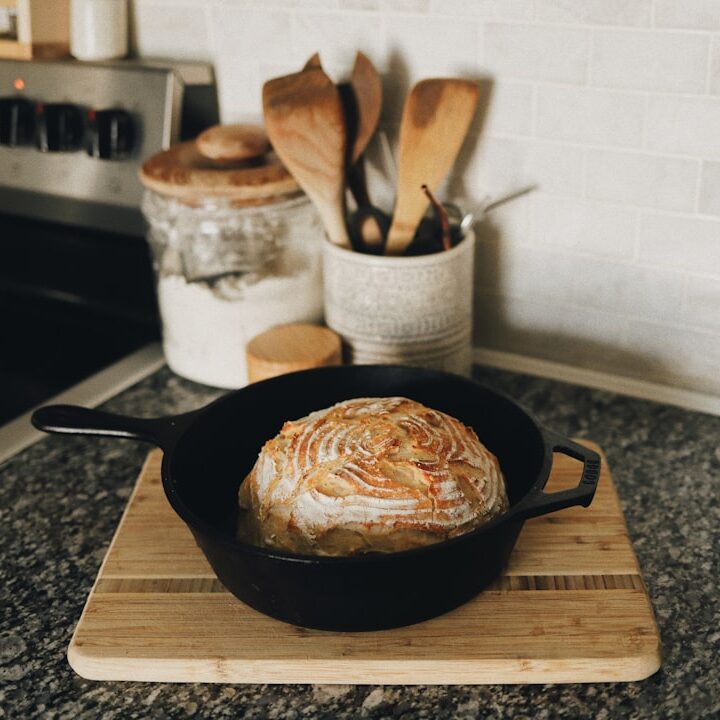
For stovetop-to-oven cooking, cast iron dominates. Its handle withstands high oven temperatures, and the retained heat continues cooking food beautifully. Stainless steel also transitions to the oven well, but it won’t maintain that steady, radiant heat.

Seasoning & Maintenance: Cast Iron vs Stainless Steel Requirements
Here’s where convenience matters. Cast iron vs stainless steel maintenance couldn’t be more different. Stainless steel is the low-maintenance champion—simply wash with soap and water, dry immediately, and you’re done. No seasoning required, no special care, no anxiety about rust.
Cast iron demands respect. It requires seasoning: the buildup of polymerized oil layers that create a non-stick surface and protection against rust. New cast iron needs patience and proper seasoning before it develops those coveted non-stick properties. Existing seasoning can strip away if mishandled—harsh detergents, prolonged soaking, and vigorous scrubbing are cast iron’s enemies.
That said, well-seasoned cast iron becomes a kitchen heirloom. Generations of use build superior non-stick properties that rival modern non-stick cookware. Some cooks actually prefer cast iron’s seasoned surface for certain dishes because it develops character and improves with age.
Stainless steel requires occasional polishing to maintain its shine and can develop water spots, but these are minor cosmetic issues. For busy home cooks, stainless steel’s simplicity is genuinely liberating.
Cooking Performance Comparison: What Each Skillet Does Best
Cast iron excels at:
- Searing meat: The superior heat retention creates an impeccable crust
- Cornbread: Cast iron’s legendary for baking golden-brown cornbread with crispy edges
- Skillet-to-table dishes: Its rustic aesthetic makes beautiful presentations
- High-heat cooking: Can handle stovetop-to-500°F oven transitions
Stainless steel excels at:
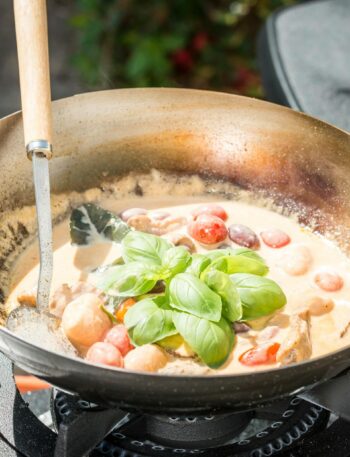
- Pan sauces: The lighter color lets you see fond development; acids in wine or vinegar won’t damage the surface
- Cooking acidic foods: Tomatoes, vinegar, and citrus won’t strip seasoning
- Quick weeknight dinners: No seasoning maintenance means grab-and-go convenience
- Even browning: Better heat distribution prevents uneven cooking
- Professional kitchens often prefer stainless steel for its reliability and versatility
Durability & Longevity: Which Skillet Lasts?
Cast iron is nearly indestructible. Treat it properly, and it lasts generations—literally. Cast iron cookware from the 1800s is still cooking food today. Its durability is unmatched in the kitchen world. Your great-grandmother’s cast iron skillet could outlive you and your children.
Stainless steel is equally durable but in different ways. It won’t rust, won’t develop patina, and maintains its appearance indefinitely. Quality stainless steel skillets easily last 20-30 years of heavy use. The main vulnerability is handle rivets loosening over decades of use—but this is repairable.
Both materials are investment pieces for your kitchen. Neither requires replacement due to material failure. The choice becomes about lifestyle and cooking preferences rather than longevity.
The Verdict: Which Should You Buy?
Stop thinking of cast iron vs stainless steel as an either-or decision. The answer? Buy both.
Choose cast iron if: You love cooking steaks, want heirloom cookware, enjoy rustic cooking aesthetics, and don’t mind maintenance. Cast iron is your soulmate if you’re willing to build a relationship with your pan.
Choose stainless steel if: You prioritize convenience, cook frequently with acidic ingredients, want a low-maintenance workhorse, and prefer grab-and-go reliability.
Professional chefs often maintain both. They use stainless steel for everyday cooking and sauces, then reach for cast iron when they need heat retention’s power. Your kitchen deserves the same strategy.
Explore more on Recipes – Scope Digest and browse our Recipes section.
Start with whichever matches your cooking style, then expand. The cast iron vs stainless steel discussion isn’t about finding a winner—it’s about building a versatile toolkit that handles any culinary challenge your kitchen throws at it.
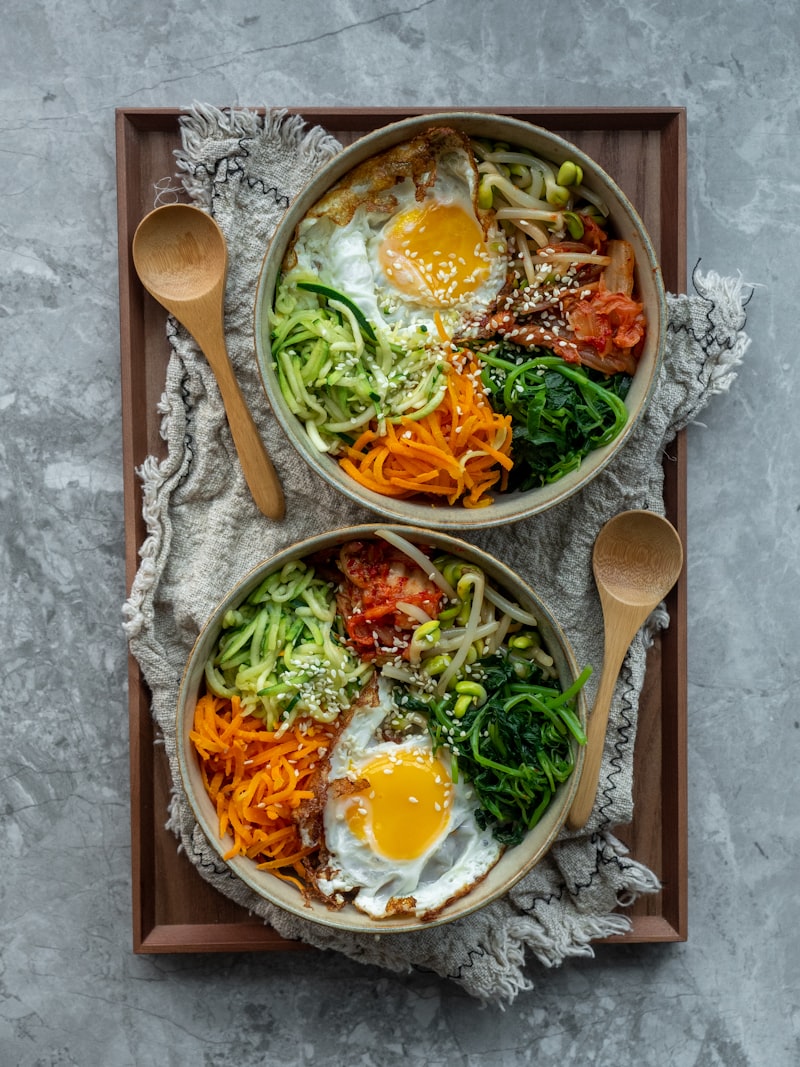
Photo by Amy Humphries on Unsplash
Want more easy family recipes?
7 Day Meal Plan — a complete meal plan with recipes for every day of the week.