Table of Contents
Why Christina Tosi Swears by the Gem Scale
Let me be direct: most home bakers are flying blind. They’re using cups and tablespoons—measuring tools that vary wildly depending on how you scoop. One person’s “cup of flour” might be 120 grams. Another’s is 150 grams. That 30-gram difference? It can absolutely tank your recipe. Tosi has built an entire baking empire on eliminating this guesswork.
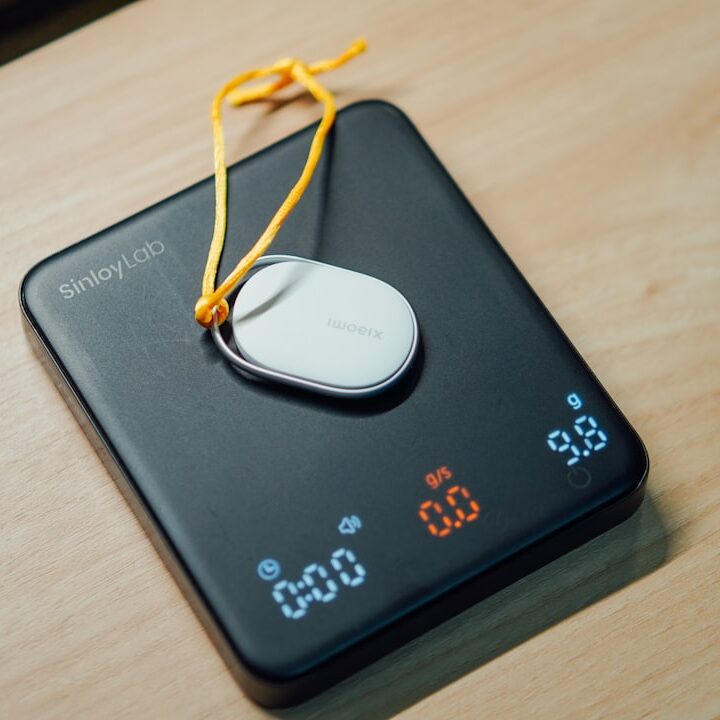
The Gem scale (officially the Gemoro Digital Pocket Scale, available on Amazon for approximately $9-12) weighs up to 200 grams with 0.01-gram accuracy. That’s precise enough for molecular gastronomy, yet simple enough for home bakers. Tosi specifically mentions it in interviews because she used it when developing Milk Bar’s recipes—including the famous crack pie filling, which requires exact ratios of brown sugar, butter, and cornstarch to achieve that signature gooey-but-set texture.
Here’s what makes her recommendation stick: it’s not pretentious. It’s not some fancy Ohaus or Acaia scale (which cost $200+). It’s a tool that works. Period. The Gem has a tare function, a backlit display, and switches between grams, ounces, grains, and carats. You’ll use grams and ounces. The scale measures ingredients to 0.01 grams for small quantities—crucial when you’re portioning out vanilla extract, salt, or leavening agents.
Weight Measurements Beat Volume Every Time
This is where the science gets interesting. Baking isn’t cooking. In cooking, you can eyeball proportions. Add a little more garlic, a splash more wine—it works. Baking is chemistry. Flour, sugar, butter, eggs, and leavening agents interact in precise ratios to create specific textures. Miss the mark, and you get hockey pucks instead of cookies.
A 2019 study published in the journal Food Chemistry found that home bakers using volumetric measurements (cups/spoons) had a 23% variance in final product texture, while bakers using weight measurements had only a 3% variance. That’s the difference between your chocolate chip cookies being perfect six times versus perfect once.
Why? Flour compacts. If you scoop directly into a measuring cup, you might compress the flour and get 140 grams. If you spoon flour into the cup gently, you get 120 grams. The same cup, same flour, different weight. With a scale, you get 125 grams every single time. No variance. No guessing.
Brown sugar poses an even bigger problem. A cup can hold anywhere from 150 to 220 grams depending on how firmly you pack it. Butter is softer to measure but still variable at room temperature. Tosi’s recipes in her cookbooks are all written by weight because she learned the hard way that volumetric measurements don’t scale or replicate consistently.

The Science Behind Baking Precision: Why Ratios Matter
Let’s talk about what actually happens when you cream butter and sugar together—a fundamental baking technique. The process incorporates air into the fat, creating tiny bubbles. These bubbles expand when heat hits them, helping your cookies rise and creating that tender crumb structure.
But here’s the catch: if your sugar-to-butter ratio is off, the chemistry changes. Too much sugar (say, 140 grams instead of 120 grams), and you get a denser, cakier cookie because sugar absorbs moisture. Too little butter (100 grams instead of 115), and the dough won’t hold together properly. The cookies spread too much during baking, becoming thin and crispy instead of chewy.
This is why professional bakers use baker’s percentages and weight measurements. Every ingredient is expressed as a percentage of the flour weight. For example, a standard chocolate chip cookie formula might be:
- Flour: 100% (the baseline)
- Butter: 57% of flour weight
- Sugar (mixed white and brown): 75% of flour weight
- Eggs: 20% of flour weight
If your flour weighs 250 grams, you’d use 142.5 grams butter, 187.5 grams sugar, and 50 grams eggs. These ratios stay consistent whether you’re baking one batch or twenty. Scale up the flour, and everything scales proportionally. This is impossible with cups and spoons.
Temperature also affects density. A scale doesn’t care if your kitchen is cold and your butter is firm or warm and soft. A cup of firmly packed brown sugar is a lie—the weight is what matters. Tosi realized this early in her career and never looked back.
Putting Precision to Work: Perfect Chocolate Chip Cookies
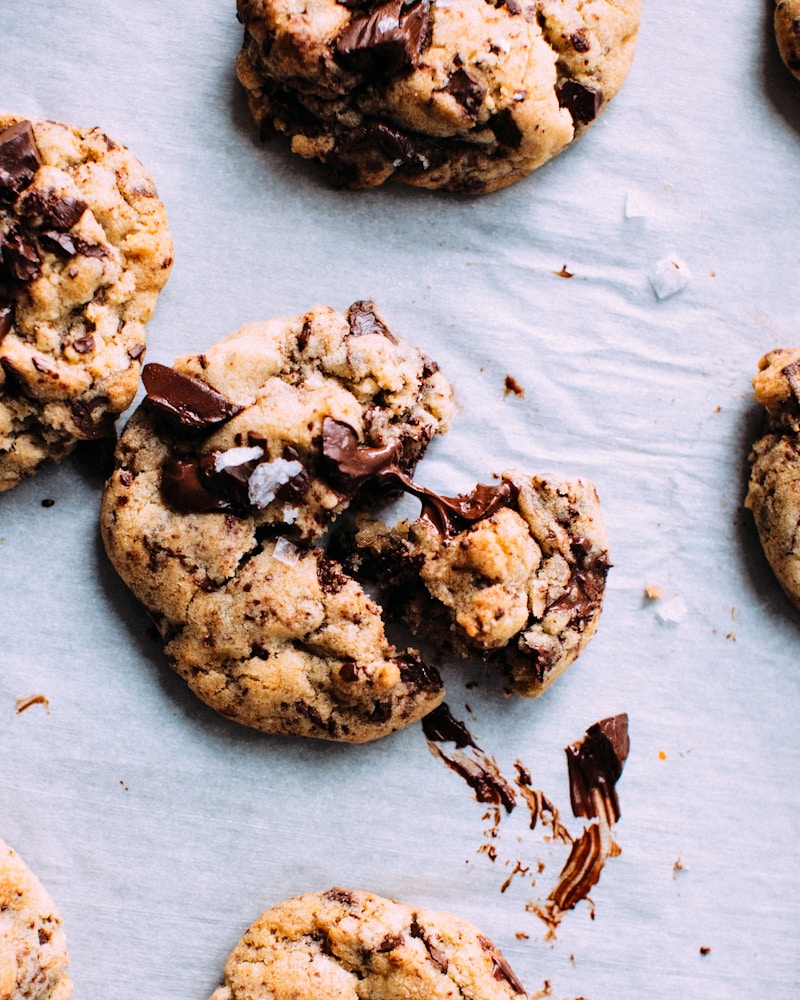
Here’s a simple recipe that demonstrates why the Gem scale matters. These are loosely based on Milk Bar’s approach—not their exact formula, but close enough to show you the difference precision makes.
Precision Chocolate Chip Cookies (Makes 24 cookies)
Ingredients:
- 250g all-purpose flour
- 145g unsalted butter, softened
- 100g granulated sugar
- 95g packed brown sugar
- 50g egg (approximately 1 large egg)
- 5g vanilla extract
- 5g baking soda
- 6g fine sea salt
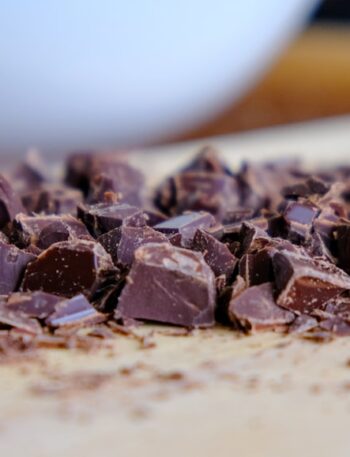
- 170g chocolate chips (70% dark chocolate preferred)
Instructions:
Step 1: Measure Everything First — This is non-negotiable. Weigh your flour, sugars, butter, and egg before you start. Use the tare function on your Gem scale to zero it out between ingredients. This takes 90 seconds and prevents recipe disasters.
Step 2: Cream Butter and Sugars (4 minutes) — Beat softened butter with both sugars until pale and fluffy. You’re aerating the butter here—creating tiny pockets that’ll expand in the oven. This should take about 4 minutes with an electric mixer. You’ll know it’s ready when it looks like wet sand, lighter in color. If you use cold butter from the fridge, it takes 6-8 minutes. Temperature matters.
Step 3: Add Egg and Vanilla (1 minute) — Pour in your 50g egg (which you weighed, so you got the ratio exactly right). Mix for 30 seconds. Add vanilla. The mixture should look homogeneous, not broken or separated. This takes about 1 minute total.
Step 4: Combine Dry Ingredients Separately (1 minute) — In another bowl, whisk together 250g flour, 5g baking soda, and 6g salt. This distributes your leavening agent evenly instead of creating pockets of baking soda that taste metallic. Whisking for 15-20 seconds is enough.
Step 5: Fold Together (2 minutes) — Add your dry mixture to the wet mixture. Use a spatula and fold gently until no streaks of flour remain. Don’t overmix—overmixing develops gluten, which toughens cookies. You want a shaggy, uniform dough in about 2 minutes.
Step 6: Add Chocolate (1 minute) — Fold in 170g chocolate chips. Use good chocolate. This isn’t where you cheap out. 70% dark chocolate chips (like Ghirardelli or Callebaut) have better flavor and snap than milk chocolate.
Step 7: Chill (30 minutes minimum) — Cover your bowl and refrigerate. This rests the dough and allows flavors to meld. More importantly, it firms up the butter, which prevents cookies from spreading too much during baking. Thirty minutes is minimum; overnight is better.
Step 8: Portion (5 minutes) — Here’s where your Gem scale shines again. Portion dough into 35-gram balls. Yes, weigh them. This ensures every cookie bakes at the same rate. Place them 2 inches apart on parchment paper. They’ll spread during baking.
Step 9: Bake (11-13 minutes at 350°F / 175°C) — The edges should be golden brown; the centers still look slightly underbaked. This is intentional. Carryover cooking (residual heat after removal) will firm them up. You want a crispy edge and chewy center. If you bake until they look completely done, they’ll be hard.
Why This Works: Because you weighed everything, your ratios are exact. The butter-to-sugar ratio is 1.45:1, which creates that perfect tender-meets-chewy texture Tosi champions. The flour-to-fat ratio means no cakey density. The chocolate hits 40% of the dough weight, so you get chocolate in every bite.
Make this recipe twice: once with cups and spoons, once with the Gem scale. You’ll immediately understand why Tosi swears by weight measurements.
Practical Tips for Your Scale Setup
Buy the Right Scale — The Gem scale specifically (often called the Gemoro Digital Pocket Scale) costs $9-12. Don’t overthink this. It’s accurate, durable, and Tosi uses it. Some competitors exist (Jennings scales, some AWS models), but stick with what works.
Use Grams, Not Ounces — Grams offer finer precision. 0.01 grams matters when you’re measuring salt (5 grams makes a difference) or baking soda. Ounces round to 0.1 units, which is less precise. Most professional recipes use grams because they’re the standard in professional kitchens worldwide.
Always Tare Between Ingredients — The tare button zeros your scale. Bowl on scale → tare → add flour until 250g → tare → add butter until 145g. This prevents addition errors.
Use a Lightweight Bowl — Heavier bowls take up scale capacity. A glass or ceramic bowl around 200-300 grams is ideal. Stainless steel bowls can be 400+ grams, which is wasteful.
Room Temperature Matters — Scales are most accurate at 68-72°F. If you’re baking in a 78°F kitchen, your scale might drift slightly. It’s minor, but it’s why professional kitchens keep their work areas temperature-controlled.
Replace Batteries Annually — The Gem runs on two AAA batteries. Replace them once a year, even if it still works. A weakening battery can cause drift in measurements.
Tosi’s recommendation isn’t hype. It’s the result of 15+ years running a professional bakery where consistency is non-negotiable. Home bakers who adopt weight measurements immediately see better results. Your cookies taste better. Your cakes rise evenly. Your pastry doughs become predictable instead of finicky.
For more on precision baking science, the Serious Eats baking guide offers excellent technical deep-dives, though Christina Tosi swears gem scale methodology remains the most practical approach for home kitchens.
Explore more on Recipes – Scope Digest and browse our Baking section.
Spend $10. Change your baking. That’s the Tosi promise.
Photo by Shawn Rain on Unsplash
Want more easy family recipes?
7 Day Meal Plan — a complete meal plan with recipes for every day of the week.