
For decades, carbs make you fat has been the go-to excuse for anyone trying to lose weight. From low-carb diets to keto crazes, we’ve been conditioned to fear bread, pasta, and rice like they’re nutritional villains. But here’s the uncomfortable truth: carbs make you fat is one of the most persistent—and most false—nutrition myths in modern food culture. The science tells a very different story, and it’s time we set the record straight.
Table of Contents
- The Science: Why Carbs Make You Fat Is Actually False
- Calorie Density: Why Carbs Make You Fat Narrative Ignores the Real Issue
- Refined vs. Complex Carbs: Understanding Why Carbs Make You Fat Is Oversimplified
- The Satiety Secret: Why Carbs Make You Fat Myth Ignores Hunger Control
- Global Evidence: Populations With High Carb Intake Stay Lean
- How to Eat Carbs and Stay Lean: The Practical Truth
The Science: Why Carbs Make You Fat Is Actually False
The myth that carbs make you fat oversimplifies how your body actually works. Weight gain comes down to one fundamental principle: consuming more calories than you burn. Carbohydrates contain 4 calories per gram—the same as protein. Fat contains 9 calories per gram. If anything, carbs are a less calorically dense macronutrient.
Research published in major nutrition journals consistently shows that when total calories are controlled, carbohydrate intake doesn’t independently cause fat gain. In fact, numerous studies comparing low-carb and low-fat diets at equal calories show virtually identical weight loss results. The idea that carbs make you fat relies on outdated metabolic myths that don’t hold up to scientific scrutiny.
What actually matters is your overall calorie balance. You could gain weight on a low-carb diet if you eat too many calories from fat and protein. Conversely, you can lose weight on a high-carb diet if you maintain a calorie deficit. The macronutrient composition is secondary to total energy intake.
Calorie Density: Why Carbs Make You Fat Narrative Ignores the Real Issue
Here’s where the carbs make you fat myth completely falls apart: carbohydrate-rich whole foods are typically lower in calories by volume than processed alternatives. A cup of brown rice contains about 215 calories. A cup of olive oil contains 1,920 calories. Yet somehow, rice gets demonized while oil gets a health halo.
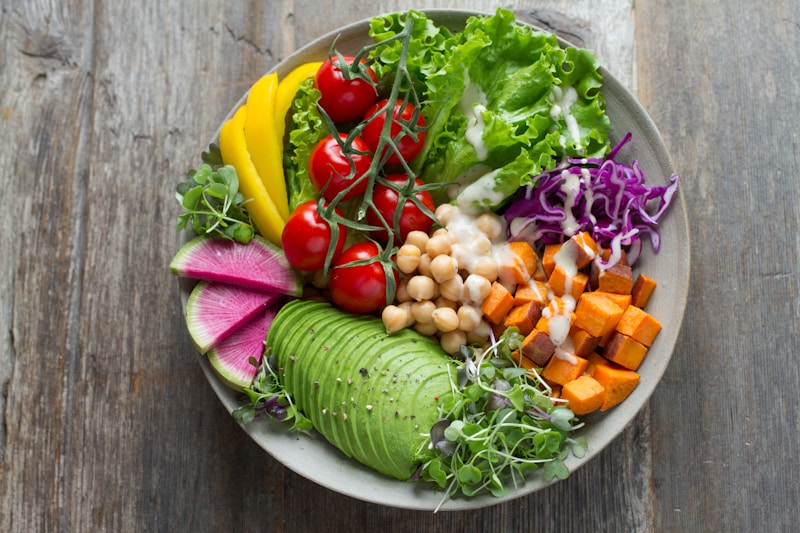
This is the critical insight people miss: if you want to feel full while eating fewer calories, carbs are actually your ally. They’re bulky, they have fiber, and they trigger satiety signals in your brain. You can eat an enormous plate of sweet potato and vegetables (mostly carbs) for fewer calories than a small handful of nuts or a few ounces of cheese.
The confusion stems from processed carbs. Yes, cookies, sugary cereals, and white bread are calorie-dense and nutritionally poor—but the problem isn’t the carbs themselves, it’s the processing, added sugar, and lack of fiber. Blaming carbs for these products is like blaming beef for fast-food hamburgers.
Refined vs. Complex Carbs: Understanding Why Carbs Make You Fat Is Oversimplified
When people claim carbs make you fat, they’re usually not distinguishing between different types. This lack of nuance is where the myth really breaks down.
Complex carbohydrates:
- Whole grains (oats, barley, quinoa)
- Legumes (beans, lentils, chickpeas)
- Root vegetables (sweet potatoes, parsnips)
- Fruits with skin intact
These foods are high in fiber, micronutrients, and have a slower glycemic response. They keep you full longer and provide sustained energy. Study after study shows that populations eating high amounts of complex carbs maintain healthy weights.
Refined carbohydrates:
- White bread, pasta, rice
- Sugary drinks and snacks
- Processed desserts and pastries
These spike blood sugar rapidly, provide minimal nutritional value, and often leave you hungry shortly after eating. This is what actually contributes to weight gain—not the carbs themselves, but the processing.
Serious Eats provides excellent evidence-based nutrition information breaking down these distinctions clearly.
The Satiety Secret: Why Carbs Make You Fat Myth Ignores Hunger Control
One of the most powerful arguments against the “carbs make you fat” narrative is the satiety effect. Foods high in resistant starch and fiber—both carbohydrate sources—are among the most satiating foods you can eat.
A study comparing satiety levels of common foods found that boiled potatoes ranked highest on the satiety index. White bread ranked lowest. Yet both are carbs. The difference? One is whole, minimally processed, and contains resistant starch. The other is refined flour stripped of its fiber.
When you eat satisfying carbs—lentil soup, oatmeal with berries, roasted sweet potato—you naturally eat less overall because you feel genuinely full. Compare this to eating chicken breast alone (pure protein, no carbs) and many people report feeling unsatisfied and hungry an hour later, leading to overeating.
This is why the carbs make you fat narrative is backwards: the right carbs actually help prevent overeating and support weight management.

Global Evidence: Populations With High Carb Intake Stay Lean
Perhaps the most damning evidence against “carbs make you fat” comes from looking at actual populations. The world’s longest-living, healthiest people consume substantial amounts of carbohydrates.
The Okinawan diet: 96% carbohydrates, primarily from sweet potatoes. Okinawans historically had some of the lowest obesity and disease rates globally.
Mediterranean populations: 60-65% of calories from carbs (bread, pasta, whole grains, legumes, fruits). Yet they maintain lean physiques and exceptional health outcomes.
Asian populations with rice as a staple: High carbohydrate intake, low obesity rates historically.
What all these populations share isn’t low carbs—it’s whole food carbs, adequate movement, and reasonable portion sizes. The moment these populations adopt processed Western foods (high in both carbs AND fat), obesity follows. The culprit isn’t carbs; it’s ultra-processed foods.
Check out BBC Good Food for traditional carb-based recipes from cultures that live longest.
How to Eat Carbs and Stay Lean: The Practical Truth
So if “carbs make you fat” is false, how should you actually eat carbohydrates? Here’s the evidence-based approach:
1. Prioritize whole sources: Choose brown rice, quinoa, oats, sweet potatoes, and legumes over white bread, pastries, and sugary cereals.
2. Include fiber: Aim for 25-35g daily from whole grains, vegetables, fruits, and beans. Fiber slows digestion, supports satiety, and feeds beneficial gut bacteria.
3. Pair carbs with protein and fat: A meal of rice, beans, and olive oil is more satisfying and balanced than rice alone.
4. Watch portions of processed carbs: You can eat bread, pasta, and rice—just be mindful of portions and choose whole-grain versions when possible.
5. Focus on total calories: Carbs aren’t special in causing weight gain. Eat the amount that helps you maintain a healthy weight while feeling satisfied.
Visit our healthy eating guides for detailed carbohydrate nutrition information.
The Bottom Line: Carbs Don’t Make You Fat
The myth that carbs make you fat has caused millions of people to unnecessarily restrict one of the most important macronutrients for energy, brain function, and athletic performance. The evidence is clear: whole food carbohydrates are not the enemy. Excess calories are. Ultra-processed foods are. Sedentary lifestyles are.
You can absolutely eat bread, pasta, rice, and potatoes and maintain a lean, healthy body. Billions of people do it every single day. Stop demonizing carbs and start focusing on the behaviors that actually matter: eating real food in reasonable amounts, moving your body, and getting enough sleep.
Explore more on Recipes – Scope Digest and browse our Healthy Eating section.
The greatest dietary conspiracy isn’t a government cover-up—it’s the persistent myth that carbs make you fat. It’s time to reclaim carbohydrates as the healthy, delicious, satisfying foods they actually are.
Photo by Markus Winkler on Unsplash
Want more easy family recipes?
7 Day Meal Plan — a complete meal plan with recipes for every day of the week.