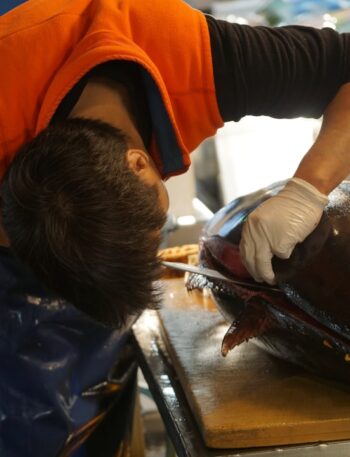

Lab-grown meat isn’t just a buzzword anymore—it’s quietly reshaping how innovative chefs approach protein. While mainstream media focuses on sustainability debates, a select group of culinary pioneers are already experimenting with cultivated meat in their kitchens, discovering unprecedented flavor possibilities and textural control that traditional sourcing simply cannot match. This is the food trend nobody is talking about, yet it’s poised to transform everything from Michelin-starred restaurants to everyday dining.
Table of Contents
- What Makes Lab-Grown Meat Different from Traditional Protein
- Chefs Are Experimenting with Lab-Grown Meat in Ways You Haven’t Heard About
- The Taste Test: How Lab-Grown Meat Actually Performs in the Kitchen
- Why Forward-Thinking Restaurants Are Going All-In on Lab-Grown Meat
- Getting Lab-Grown Meat on Your Table: What’s Available Now
What Makes Lab-Grown Meat Different from Traditional Protein
Unlike plant-based alternatives that mimic meat, lab-grown meat is actual animal tissue grown from starter cells in bioreactors. Think of it as controlled biology rather than science fiction. Producers take animal cells—beef, chicken, fish—and culture them in nutrient-rich mediums, allowing them to multiply and differentiate into muscle, fat, and connective tissues without raising or slaughtering animals.
The key difference? Lab-grown meat offers something plant-based proteins never can: authentic cellular structure. Chefs aren’t approximating beef flavor; they’re working with genuine beef at the cellular level. This means traditional cooking techniques—searing, braising, emulsifying—work exactly as expected, giving chefs creative freedom that alternative proteins restrict.
For culinary applications, this matters enormously. A wagyu-style lab-grown beef can develop intramuscular fat patterns precisely calibrated for optimal flavor. A cultivated chicken breast can have the exact protein-to-fat ratio a chef needs for their specific dish. This level of control is revolutionary.

Chefs Are Experimenting with Lab-Grown Meat in Ways You Haven’t Heard About
Several high-profile chefs have already begun experimenting quietly. In Singapore, fine dining establishments have incorporated cultivated fish into tasting menus. In the U.S., select Michelin-starred restaurants are collaborating with cultivated meat companies to develop signature dishes that wouldn’t be possible with conventional sourcing.
What’s fascinating is how chefs are approaching the ingredient philosophically. Rather than simply replacing beef with lab-grown beef, they’re asking: “What becomes possible now?” Some are creating hybrid dishes that blend cultivated and traditional proteins. Others are designing entirely new preparations around the precise consistency cultivated meat offers.
Chef-driven innovation includes:
- Precision plating: Creating geometric cuts with zero waste variability
- Custom texture development: Growing meat to specific firmness specifications
- Flavor experimentation: Altering the growth medium to influence subtle taste profiles
- Sustainability storytelling: Crafting narratives around reduced environmental impact
The culinary community’s secrecy reflects current regulatory ambiguity. While lab-grown meat is approved in Singapore, the U.S., and select other markets, restaurant innovation happens cautiously. But this is changing rapidly as more countries greenlight cultivation approval.
The Taste Test: How Lab-Grown Meat Actually Performs in the Kitchen
The burning question: does lab-grown meat taste like “real” meat? The answer is yes, because it is real meat. But the practical kitchen experience varies by product maturity.
Current cultivated beef products demonstrate strong results in ground applications—burgers, tartares, and forcemeats. The cellular structure handles mixing and emulsification beautifully. Whole cuts are advancing rapidly, though early iterations show slightly different moisture dynamics than conventionally raised beef.
Lab-grown fish, particularly cultivated sea bream and salmon, shows remarkable promise. The delicate texture renders accurately, and the omega-3 fatty acid profile can be optimized during growth. Chefs report that cultivated salmon holds together better during cooking than some conventionally farmed varieties, with more consistent coloration.
The practical advantages extend beyond taste:
- Consistency: Every batch is identical—no variation from animal to animal
- Safety: Sterile growth conditions eliminate pathogenic contamination risks
- Speed: Faster production cycles enable restaurant-scale sourcing
- Customization: Fat marbling, fiber orientation, and cellular composition can be engineered
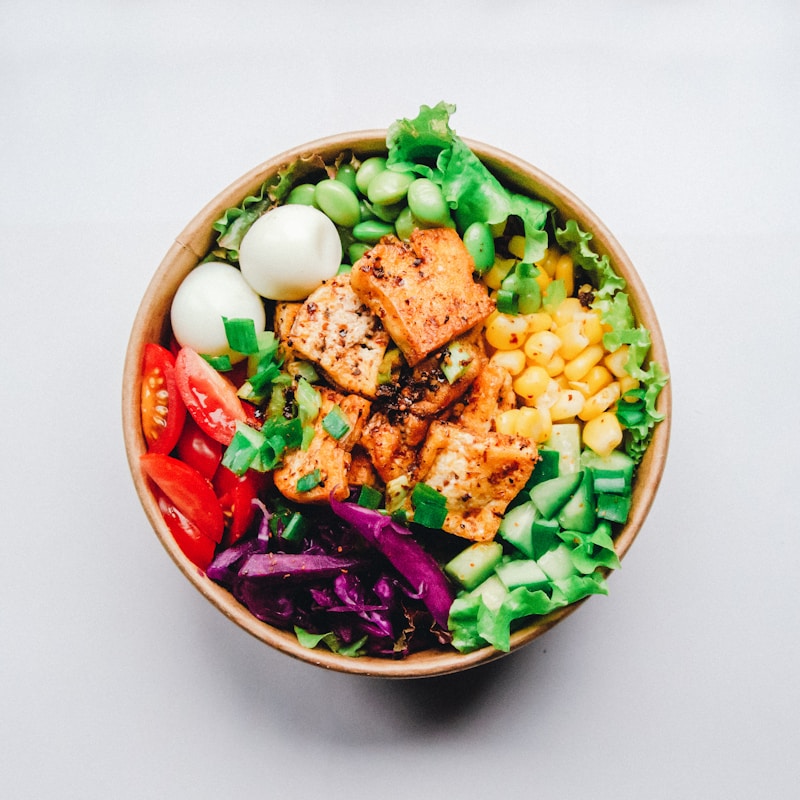
Why Forward-Thinking Restaurants Are Going All-In on Lab-Grown Meat
Beyond the culinary appeal, restaurants have substantial business reasons to embrace lab-grown meat. The ingredient addresses multiple pain points simultaneously.
Supply chain resilience: Traditional protein sourcing depends on weather, disease, and geopolitical factors. Lab-grown meat production is climate-controlled and location-agnostic. A restaurant can source cultivated beef regardless of cattle market volatility.
Regulatory advantage: As environmental regulations tighten globally, restaurants featuring cultivated proteins position themselves as forward-thinking establishments. This becomes a brand differentiator, particularly for younger diners.
Menu innovation: Cultivated meat enables creative dishes that traditional sourcing constrains. A chef can design a dish knowing exactly what protein composition will result.
Cost trajectory: Lab-grown meat production costs are declining steeply. Early adopters will enjoy competitive advantage as prices drop toward parity with conventional protein.
Fine dining establishments understand that serving lab-grown meat isn’t about replacing traditional protein—it’s about offering something genuinely new. The ingredient becomes a story, a conversation point, and a demonstration of culinary leadership.
Getting Lab-Grown Meat on Your Table: What’s Available Now
Consumer access varies dramatically by geography. Singapore launched cultivated chicken nuggets through food service first. The U.S. approved two cultivated chicken products for limited restaurant use in 2026. Europe continues regulatory review processes.
If you’re in an approved market, look for:
- Specialty restaurant tasting menus featuring cultivated protein components
- Food service collaborations where chefs partner with cultivation companies
- Regional pilot programs testing consumer reception
The timeline matters. Current projections suggest cultivated meat will reach mainstream restaurant availability within 3-5 years in major developed markets. Consumer grocery availability follows 2-3 years later, beginning with ground applications before progressing to whole cuts.
For culinary professionals, the message is clear: start experimenting now. Chefs who understand lab-grown meat’s capabilities and limitations will lead the next culinary movement, just as molecular gastronomy pioneers did twenty years ago.
Lab-grown meat represents the intersection of biology, sustainability, and culinary possibility. It’s the ingredient nobody is talking about—yet. But innovators know: this is the future of food, and it’s already cooking.
Explore more on Recipes – Scope Digest and browse our World Cuisine section.
Want to deepen your food knowledge? Check out our recipe collection and explore emerging world cuisine trends.
Photo by Provincial Archives of Alberta on Unsplash
Want more easy family recipes?
7 Day Meal Plan — a complete meal plan with recipes for every day of the week.