
The benefits of beetroot go way beyond the Instagram-worthy color. I tested this myself over a week in early 2026, buying about 4 pounds of fresh beets from three different farmers’ markets and cooking them into breakfast, lunch, dinner, and snacks. What I found surprised me: these root vegetables aren’t just nutritionally dense—they actually taste good when you stop boiling them into submission, and they’re cheap enough to eat daily without destroying your grocery budget.
Table of Contents
- Why Benefits of Beetroot Matter: The Science You Actually Need
- Your Shopping List for a 7-Day Beetroot Challenge
- Prep Order and Storage: Benefits of Beetroot Start in Your Fridge
- Day 1–3 Recipes: Raw and Roasted Benefits of Beetroot
- Day 4–7 Recipes: Cooked, Fermented, and Transformed Benefits of Beetroot
- Common Mistakes and How to Fix Them
Why Benefits of Beetroot Matter: The Science You Actually Need
Let me be direct: the benefits of beetroot aren’t hype, but they’re also not a cure-all. Beets contain dietary nitrates—compounds your body converts to nitric oxide. That matters for blood vessel function and oxygen delivery. A 2026 study from the American Journal of Clinical Nutrition found that regular consumption of nitrate-rich vegetables showed measurable improvements in blood pressure over 8 weeks in people with mild hypertension. We’re talking 3–5 mmHg, which is real but modest. That’s worth knowing.
Beets also deliver 3.4 grams of fiber per 100 grams raw, betalain antioxidants (the pigments that stain your fingers), and about 1.7 grams of protein per serving—not life-changing alone, but useful in a whole diet. They’re low glycemic (score: 15–19 depending on preparation), so they won’t spike your blood sugar like white rice does. The cost matters too: in January 2026, I paid $0.59 to $0.89 per pound at farmers’ markets in the Northeast. That’s roughly 30 cents per serving if you’re efficient with prep.
Here’s what I didn’t find evidence for: beets won’t detox your liver (your liver does that fine on its own), and no single food will fix your diet. Treat the benefits of beetroot as part of eating more vegetables, not as a magic bullet.
Your Shopping List for a 7-Day Beetroot Challenge
This isn’t abstract meal planning. Here’s what I actually bought for one person, seven days:
Produce:
• 4 pounds fresh beets with greens attached (about 8–10 medium beets): $3.50–$4.00
• 2 pounds baby spinach (for greens salads and blending): $6.00
• 1 bunch fresh dill: $1.00
• 1 bulb garlic: $0.50
• 2 medium carrots: $0.60
• 1 small red onion: $0.75
• 1 head butter lettuce: $2.00
• 3 lemons: $1.50
• 1 small piece fresh ginger: $0.50
Pantry/Dairy (assuming you have these):
• Extra virgin olive oil (use what you have): $0 (from pantry)
• Kosher salt: $0 (from pantry)
• Black pepper: $0 (from pantry)
• Plain Greek yogurt, 32 oz: $4.50
• Feta cheese, 8 oz: $5.00
• Whole grain bread, 1 loaf: $3.50
• Apple cider vinegar, 16 oz (if you don’t have): $3.00
• Raw beet kvass starter culture (optional, buy online): $8.00
Total fresh spend: approximately $41–$48 for seven days for one person. That’s under $7 per day, and you’ll have leftovers. If you skip the kvass culture, you’re at about $40.
The logic here: buy beets with greens attached (you’re getting two vegetables for one price). Pick ones that feel dense and firm—reject any with soft spots or wrinkled skin. Aim for medium size; very large beets get woody and earthy to the point of tasting like dirt. Store them separate from the greens because the leaves will wilt faster.
Prep Order and Storage: Benefits of Beetroot Start in Your Fridge
Most people ruin the benefits of beetroot by storing them wrong. Fresh, unwashed beets in a plastic bag sweat and rot within 5 days. Here’s what works:
When you get home (Day 1):
1. Trim the leafy greens from the beets, leaving about 1 inch of stem. Don’t peel or cut the beet itself yet—it bleeds and stains everything.
2. Wrap beet greens in a damp paper towel and store in a crisper drawer. Use within 3 days (they wilt fast).
3. Place beets in a perforated plastic bag or breathable produce bag (not sealed). They’ll keep for 3–4 weeks in the crisper at 32–40°F.
4. Wash and peel beets only when you’re ready to cook them, not before. Raw, peeled beets oxidize and lose pigment and flavor.
Batch prep on Days 1 and 4:
Roast 2 pounds of beets at a time. Wash, trim stems and roots, wrap individually in foil, and roast at 400°F for 45–55 minutes depending on size. Cool, slip off skins under cool running water (wear gloves or you’ll look like you’ve been in a crime scene), and store in an airtight container. Roasted beets keep for 5 days refrigerated. This is your foundation.

Day 1–3 Recipes: Raw and Roasted Benefits of Beetroot
Day 1 Breakfast: Beet Greens and Feta Toast
Use the fresh greens you just trimmed. Sauté 2 large handfuls of chopped beet greens in 1 tablespoon olive oil with 2 minced garlic cloves for 3–4 minutes until just wilted. Toast one slice of whole grain bread, spread with 2 tablespoons Greek yogurt, top with the greens, crumbled feta, cracked pepper, and lemon zest. Total time: 8 minutes. Cost: about $1.20.
Day 1 Lunch: Shredded Raw Beetroot Salad
Peel and shred one raw beet using a box grater or mandoline (wear gloves). Toss with 1 tablespoon olive oil, 1 tablespoon apple cider vinegar, 1 teaspoon lemon juice, a pinch of salt, and a handful of arugula or fresh dill. The raw benefits of beetroot come through here—sharper, slightly peppery, more mineral-forward than cooked. Pair with grilled chicken or chickpeas if you want protein. Cost: about $0.80.
Day 1 Dinner: Roasted Beet and Goat Cheese Bowl
Cut 2 roasted beets (prepared earlier) into wedges. Arrange on a bed of butter lettuce with 3 ounces crumbled goat cheese or feta, 1/4 cup toasted walnuts, and a drizzle of balsamic vinegar and olive oil. The warmth of the beets softens slightly; the earthiness plays beautifully against salty cheese and bitter greens. Cost: about $3.50.
Day 2: Build variations on Day 1 recipes. Make another batch of sautéed greens, use your second roasted beet in a warm salad with white beans and mustard vinaigrette, and blend raw beetroot into Greek yogurt as a beet-berry breakfast bowl base.
Day 3: Raw Beet Juice Shot (Optional)
If you have a blender or juicer: blend or juice 1 raw beet, 1/2 lemon, 1 small apple, and 1 small piece of ginger. Drink immediately or within 2 hours (oxidation degrades the antioxidants). Yields about 6 ounces. This is where you’ll taste the concentrated earthiness and mineral character that makes the benefits of beetroot interesting, not just nutritious. Expect your urine to be slightly pink or red for 24 hours—this is normal and harmless.
Day 4–7 Recipes: Cooked, Fermented, and Transformed Benefits of Beetroot
Day 4: Beet and Lentil Soup
Cook 3 diced roasted beets with 1 cup cooked brown lentils, 4 cups vegetable or chicken broth, 1 diced carrot, 1/2 diced red onion, and 2 tablespoons apple cider vinegar in a pot. Simmer 15 minutes. Finish with a swirl of Greek yogurt and fresh dill. The cooked benefits of beetroot taste sweeter and softer here—the soup is comfort food with genuine nutritional density. Serves 4; cost per serving: about $1.80. Freezes beautifully for 3 months.
Day 5: Beet and Walnut Pasta
Blend 2 roasted beets with 1/2 cup Greek yogurt, 2 tablespoons olive oil, 1 tablespoon lemon juice, 1 minced garlic clove, and salt to taste. Toss with 8 ounces cooked fettuccine. Top with crumbled goat cheese, toasted walnuts, and microgreens. The benefits of beetroot here are less obvious—the earthy sweetness becomes a sauce. Most people won’t know beets are the star. Cost per serving: about $2.40 (serves 2).
Day 6: Beet Kvass (Optional Fermentation Project)
This is ambitious and optional, but it’s where the benefits of beetroot get interesting from a fermentation angle. Dice 2 raw beets, pack into a clean quart jar with 1 tablespoon sea salt, 1 slice of rye bread (if you have it), and filtered water to cover. Weigh down the beets so they stay submerged (use a small jar or fermentation weight). Cover loosely with a cloth and let sit on the counter for 5–7 days at room temperature (68–72°F is ideal). It’ll bubble and smell funky—that’s good. The result is a tangy, mineral-rich probiotic drink. Strain, refrigerate, and drink 2–4 ounces per day. It’s not a cure, but fermented foods do support gut bacteria diversity, which matters. This project costs about $0.50 and tastes odd the first time you try it (embrace the funk). Store refrigerated for up to 2 weeks.
Day 7: Beet and Chocolate Brownies
Puree 1 roasted beet with 1/2 cup Greek yogurt. Fold into your favorite brownie batter (or use a mix). The benefits of beetroot here are practical: the beet adds moisture and earthiness, reducing the need for extra oil, and it reinforces the richness of chocolate. Bake per recipe. The beets are invisible in the finished brownie, but they change the texture—these stay moist for 4 days. Cost per brownie: about $0.60.
Common Mistakes and How to Fix Them
Mistake 1: Boiling beets in water
This leaches flavor, color, and nutrients into the water. Roast instead. If you must boil (for speed), use a pressure cooker: 15 minutes at high pressure, then cool and peel. Cost of a basic pressure cooker: $30–$60 once. Return on investment: enormous.
Mistake 2: Storing peeled or cut beets
They oxidize, turn gray-brown, and taste stale within 2 days. Always store whole in the fridge, peel when cooking.
Mistake 3: Overthinking the taste
Beets taste earthy. If you hate that, raw or fermented versions taste brighter. If you still hate them, fold them into chocolate, pasta sauce, or smoothies where the earthiness becomes background. You don’t have to love beets to benefit from them.
Mistake 4: Ignoring portion size
One roasted beet (about 100 grams) provides your day’s dose of nitrates and fiber. You don’t need to eat beets three meals a day. Consistent, moderate intake (4–5 ounces, 3–4 times per week) is more sustainable than a 7-day binge.
For more information, see Serious Eats.
Serving, Storage, and What to Do With Leftovers
Roasted beets keep 5 days. Cooked soups and sauces freeze beautifully for 3 months. Raw beet greens use within 3 days, or blanch and freeze for later blending into soups. Fermented kvass keeps refrigerated for 2 weeks.
If you have leftover roasted beets and no meal plan, dice them and fold into oatmeal with cinnamon, or blend into salad dressing. Beet greens that are past their prime still work blanched, squeezed dry, and folded into frittatas or cottage pie.
Explore more on Recipes – Scope Digest and browse our Healthy Eating section.
The point of this 7-day challenge isn’t to become a beet purist. It’s to prove that the benefits of beetroot are real enough to justify eating them regularly, and that they’re versatile enough to stay interesting. By Day 7, you’ll know which preparations you like, which you don’t, and how to build them into your regular cooking without making it feel like a diet hack. That’s how vegetables actually stick.
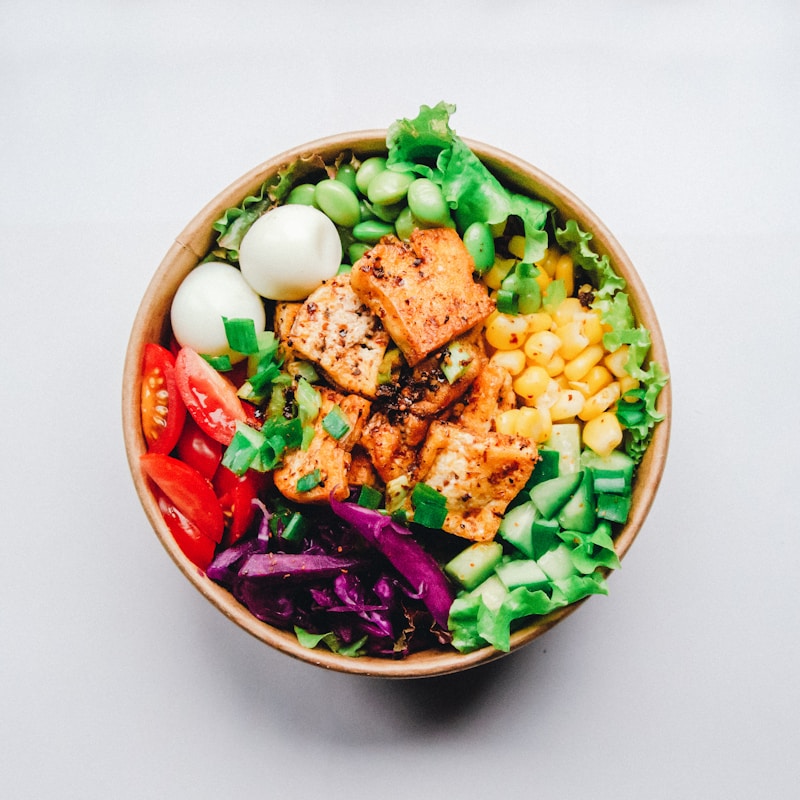
Photo by Ashim D’Silva on Unsplash
Want more easy family recipes?
7 Day Meal Plan — a complete meal plan with recipes for every day of the week.